








🎧 Listen to This Article
Financial Mismanagement and Tax Evasion Lead to Legal Repercussions for Former World Darts Champion
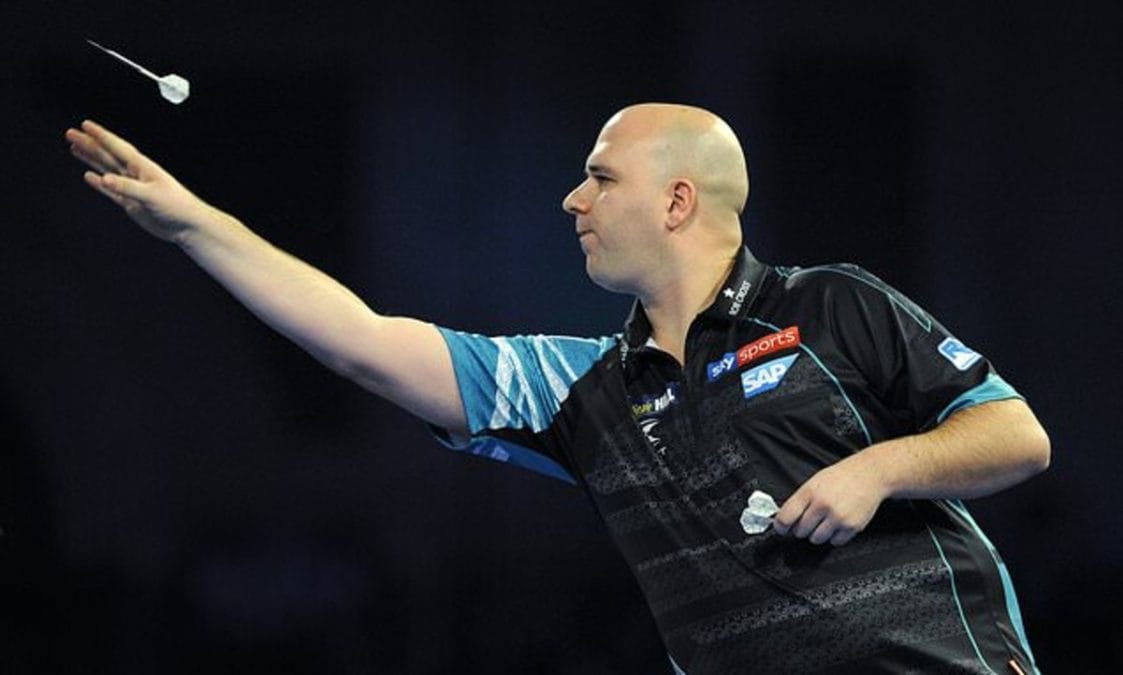
In a decision that has rippled across both the financial and sports industries, Rob Cross, the 2018 PDC World Darts Champion, has been disqualified from acting as a company director for five years due to substantial unpaid tax liabilities exceeding £450,000. The ruling, handed down by the UK Insolvency Service, highlights increasing governmental scrutiny over high-earning athletes and their financial governance.
The Financial Breakdown
Cross’s company, Rob Cross Darts Limited, established in May 2017 to manage his earnings and sponsorship income, was found to have owed:
- £403,896 in corporation tax
- £49,071 in VAT
- £12,436 in PAYE and National Insurance
The total liabilities at the time of liquidation in November 2023 stood at £579,805. Shockingly, only £41,936 had been remitted to HMRC between March 2020 and liquidation.
Adding to the gravity of the situation, Cross withdrew more than £300,000 from the company during this period despite outstanding debts. Investigators also noted an overdrawn director’s loan account of £423,608 and more than £650,000 transferred to the personal account of a “connected party.”
A Legal and Moral Reckoning
The Insolvency Service’s decision to impose a five-year director ban reinforces the seriousness of the offense. According to Chief Investigator Kevin Read:
“When directors fail to pay the correct amount of tax, it directly impacts the government’s ability to fund vital public services such as the NHS, schools, transport infrastructure, and our national defense.”
Cross has entered an Individual Voluntary Arrangement (IVA) to repay debts partially, but the damage to his public image and potential future business ventures may be irreversible.
Broader Implications for the Sports Industry
This case is not isolated. It exposes a wider vulnerability in the sports and entertainment industries, where sudden wealth is often coupled with limited financial oversight. High-profile individuals risk legal exposure, reputational harm, and long-term financial instability without proper fiscal governance.
Financial advisors and tax professionals increasingly urge public figures to establish robust compliance frameworks, especially when leveraging personal corporations to manage income streams. Failure to do so invites regulatory action and raises ethical concerns around tax justice and fairness.
A Cultural Shift in Enforcement
Governments worldwide are tightening enforcement of tax regulations on high-net-worth individuals, focusing on sports professionals, influencers, and entertainers. The UK’s crackdown reflects a broader move to hold visible figures accountable and restore public trust in fiscal equity.
The Professional Darts Corporation (PDC) has not yet commented.
For further details, clarification, contributions, or any concerns regarding this article, please get in touch with us at editorial@tax.news. We value your feedback and are committed to providing accurate and timely information. Please note that our privacy policy will handle all inquiries.


Click here to open the standard version and post your comment.