






Trending
- EU CBAM Fertilizer Exemption 2026: A Crisis for Irish Farmers
- Centennial Park Training Centre Opening: Toronto’s FIFA 2026 Launch
- Australia Trust Tax Standoff 2026: Retrospective 30% Demand
- G20 Wallet Wars: 75% of Nations Tokenize Payment Rails
- Dragon-Eagle Stability Pact: The Transactional Floor for Global Trade
- Brazil Split-Payment Pilot 2026: The 4.2 Billion Transaction Breakthrough
- Pillar Two System Lag: BIAC Warns of “Systemic Non-Compliance” Risk
- Reconciliation 2.0 Committee Deadline: The $140B Pivot to Enforcement
Saturday, May 16


Insights


The retail crash didn’t happen. The Brazil Split-Payment Pilot 2026 just cleared 4.2 billion transactions in a week, validating the speed of real-time VAT.

Global trade just got more complicated. The DOJ is filing a Section 122 Tariff Appeal to save the 10% surcharge, leaving the market split between exempt plaintiffs and those paying under protest.

Real-time credits are here. Brazil’s Technical Note NT 2026.002 validates the “Standard B2B” split-payment mode, linking invoices to bank IDs for a 3-day turnaround.

The “Pix Tax” is coming. Brazil’s CGSN Resolution No. 186/2026 outlines the 2027 roadmap for Simples Nacional firms to opt into the regular VAT regime to secure credits.

Beauty has a price, and today the tax is due. The Philippines Cosmetic Excise 2026 enforcement is in full swing, targeting luxury wellness clinics with 5% levies.
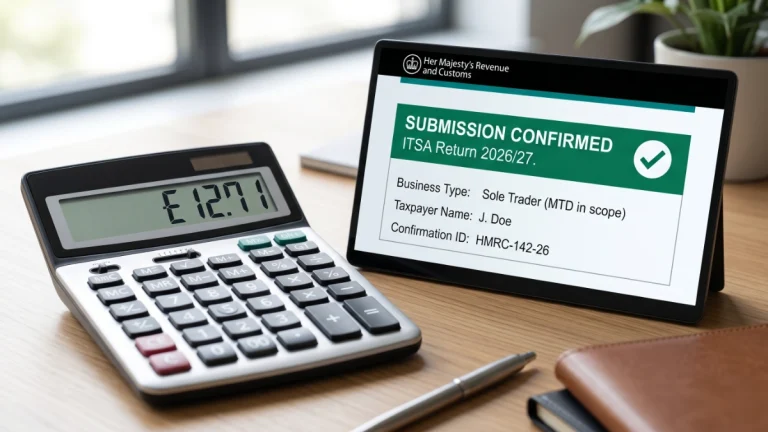
No more paper trails. UK MTD Compliance 2026 is now mandatory for property and trade cessations. Agent Update 142 also confirms the £12.71 Living Wage and Day 1 SSP eligibility.

Stay alert to your pay. The ongoing HMRC umbrella company warning highlights the risks of tax avoidance as the new 2026/27 tax year introduces fresh compliance pressures.

As major tax credits expire in the US and China, the resulting changes in Global Green & Environmental Taxes have triggered a significant slump in global EV sales.

Argentina’s tax agency has finalized the March 2026 calendar, setting tight Argentina Tax Deadlines for employers to settle payroll taxes and VAT submissions.

With the IRS treating digital assets as property, US Cryptocurrency holders must prepare for stricter 1099-DA reporting while leveraging opportunities like tax-loss harvesting.