






🎧 Listen to This Article
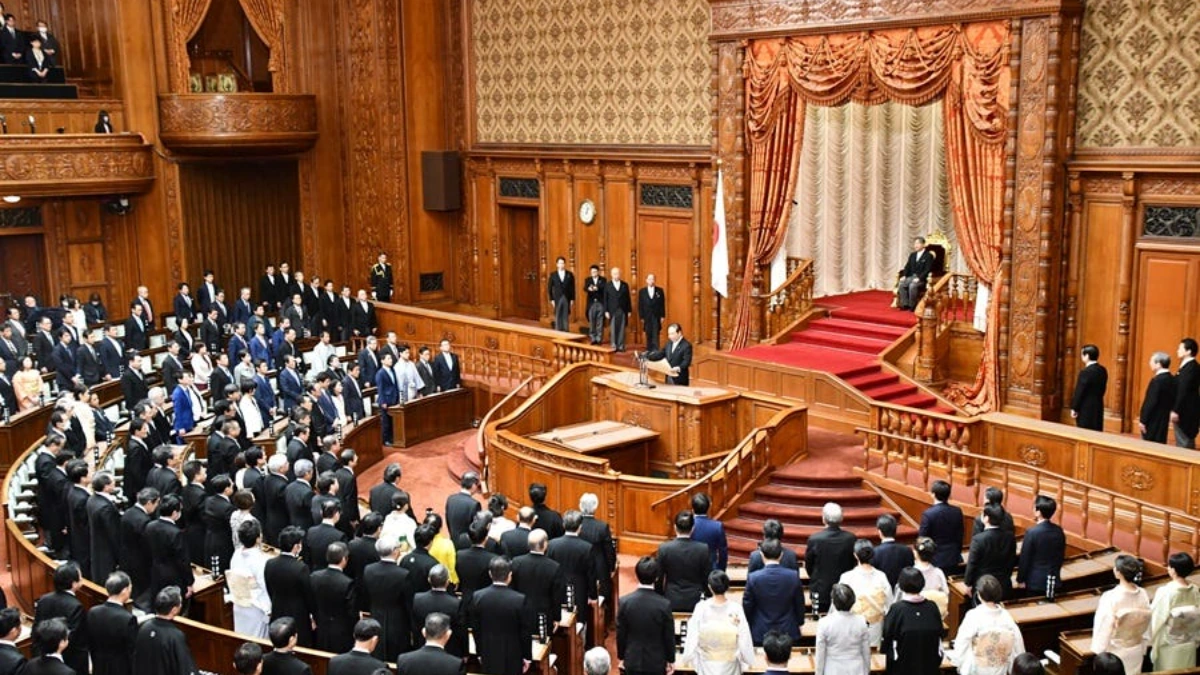
Japan’s economic policy has hit a stunning turning point as global supply chains continue to buckle. Today, Thursday, May 21, 2026, during an intense session in the National Diet, Prime Minister Sanae Takaichi announced plans to push through an emergency Japan Consumption Tax Freeze 2026 framework targeting food products as quickly as possible.
The proposal marks a massive fiscal about-face for the Takaichi administration. After sweeping into office earlier this year on a platform of long-term fiscal discipline and controlled structural spending, the government is shifting directly to raw economic intervention to rescue household wallets from compounding international trade shocks.
Pivoting the Supplementary Budget to Consumer Relief
The administration plans to anchor the tax freeze directly within a pending Sanae Takaichi Supplementary Budget proposal. This extra funding package was originally drawn up to extend critical subsidies to domestic oil wholesalers amid ongoing Middle East energy strains. However, the legislation is being rapidly expanded to address systemic, cross-sector food inflation before consumer spending stalls.
The intervention faces massive structural hurdles and fierce opposition within the Diet, where critics warn of a dangerous explosion in Japan’s sovereign debt footprint:
- The 8% to 0% Drop: Under the current multi-tiered tax code, groceries and fresh foods are insulated under the Keigen Zeiritsu Reduced Tax Rate of 8%, while standard goods sit at 10%. The active emergency plan would completely strip this 8% baseline to a flat 0% rate.
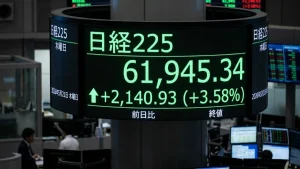
- The Deficit Bond Threat: Opposition parties, including the Centrist Reform Alliance, argue that wiping out food tax revenues will open a massive fiscal crater. This would force the Ministry of Finance to issue massive new tranches of deficit-covering bonds (kofubond), a prospect that has already sent the benchmark JGB Yield Fiscal Policy Reform conversations spiraling as 10-year yields creep up to 2.75% and pile pressure on the Yen.
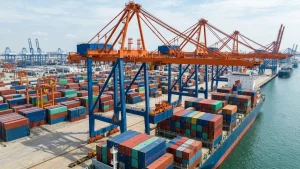
- The Naphtha Supply Squeeze: The government defends its intervention by pointing to deep, non-monetary supply distortions. Beyond raw energy costs, Japan is suffering from an acute shortage of naphtha—a vital petroleum derivative. The resulting plastic and packaging deficit has forced food manufacturers to suspend production lines or radically strip down product casings, dramatically driving up wholesale prices.
Measuring the Fiscal Drain: Plain-Text Accounting Math
To accurately evaluate the direct hit to the national treasury without triggering standard website text-rendering or formatting bugs, the Ministry of Finance models the net revenue impact over the emergency relief window using a direct calculation:
Net Tax Revenue Loss = (Total Covered Grocery Transaction Volume × −8% Deemed Tax Delta) − Systemic Administrative Overhead
To break down how this calculation tracks across internal compliance systems:
- Total Covered Grocery Volume: The real-time aggregate consumer transaction value of grocery products moving through the economy during the freeze window.
- Deemed Tax Delta: The active reduction from the baseline 8% rate to the emergency 0% floor.
- Systemic Administrative Overhead: The immediate compliance costs incurred by both the tax authority and retail businesses to update automated Point-of-Sale (POS) invoicing networks nationwide.
Japan’s Consumption Tax Matrix: Active vs. Proposed Emergency Freeze
The targeted nature of the bill leaves standard commercial and hospitality operations fully exposed to ongoing price pressures:
| Product Classification | Active Baseline Tax | Proposed Emergency Framework | Operational Status & Supply Chain Impact |
| Standard Consumer Goods | 10% Standard Rate | 10% Standard Rate | Completely unchanged. |
| Dining Out & Alcohol | 10% Standard Rate | 10% Standard Rate | High exposure to systemic hospitality wage and input inflation. |
| Groceries & Fresh Food | 8% Reduced Rate | 0% Tax-Free Freeze | The core target of the pending extra budget. |
| Logistics & Packaging Materials | 10% Standard Rate | 10% Standard Rate | Intensely strained by regional naphtha and ink shortages. |
Deep-Dive Analysis: The Populist Gravity of Crisis Management
Let’s cut through the official political messaging: Prime Minister Takaichi’s proposed food tax freeze is a clear case of “reassurance populism.” When real-world snack food manufacturers are forced to ration packaging and building material channels start to gridlock, a government can no longer hide behind abstract promises of structural reform.
Slashing the food consumption tax to a flat 0% provides immediate, highly visible psychological relief to anxious voters at the grocery checkout counter. However, it completely ignores the structural reality of Japan’s balance sheet. Erasing the 8% grocery tax floor creates a multi-trillion-yen revenue shortfall that can only be plugged by firing up the bond printing press. In a market where long-term bond yields are already edging toward 2.75%, funding short-term grocery relief via fresh debt risks feeding the exact same inflationary fires the administration is desperately trying to extinguish.


Click here to open the standard version and post your comment.