






🎧 Listen to This Article
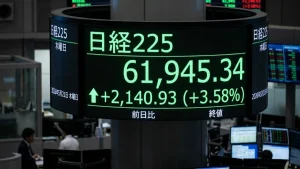
The crippling trade gridlock paralyzing the world’s primary energy and fertilizer corridors may finally be approaching a diplomatic breakthrough. Today, Thursday, May 21, 2026, international maritime networks and global commodity markets are experiencing high-volume trading shifts following breaking statements from Washington signaling that high-stakes diplomatic efforts have reached a definitive frontline.
While U.S. President Donald Trump warned that the situation sits on a absolute razor’s edge between an immediate peace agreement and renewed military strikes, Iranian authorities confirmed they are actively examining the latest comprehensive U.S. proposal delivered via Pakistani intermediaries.
The Dual Blockade: The Root of Global Freight Inflation
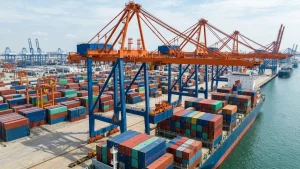
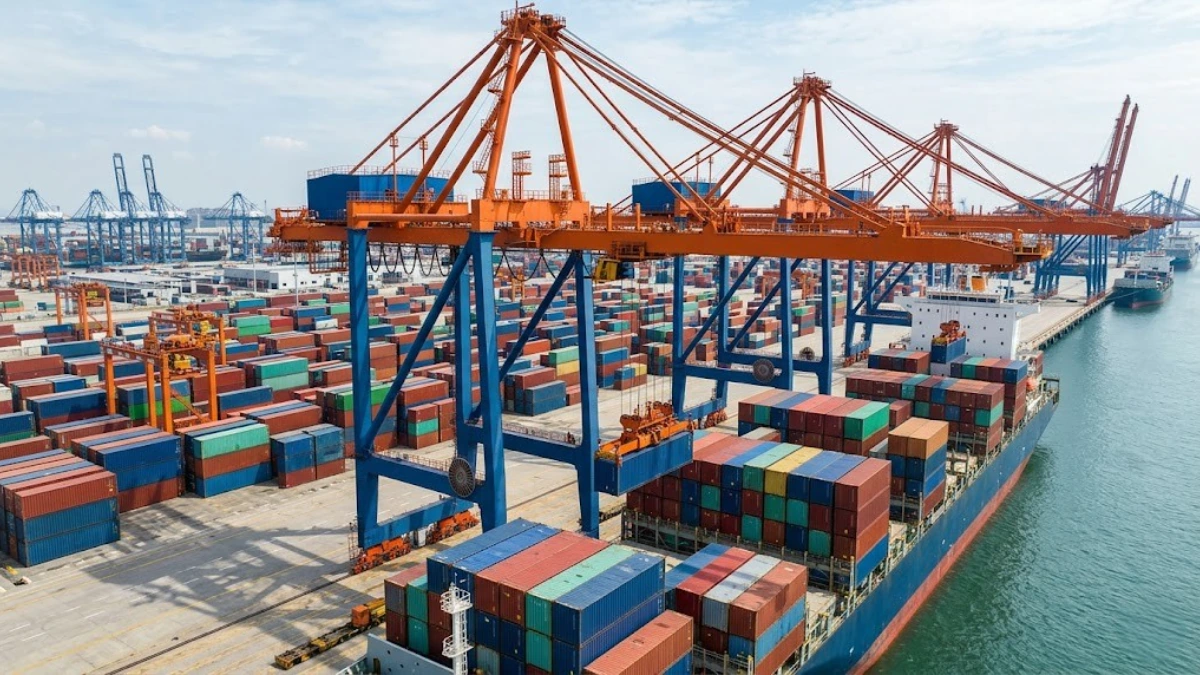
The multi-week impasse has hammered global supply chains through a historic “dual-blockade” environment that has been active since mid-April. This friction point consists of two separate maritime operations that have effectively choked off standard shipping channels:
- The U.S. Naval Blockade: Following the breakdown of early-stage talks, the U.S. Navy implemented a strict maritime blockade targeting all commercial vessels entering or departing Iranian ports. To date, U.S. Central Command (CENTCOM) has actively intercepted and redirected over 90 commercial ships.
- The Strait of Hormuz Chokepoint: In direct retaliation, Iran’s Revolutionary Guards (IRGC) have heavily restricted passage through the Strait of Hormuz. Because this single waterway is responsible for a quarter of global seaborne oil and a third of the global fertilizer trade, the closure has forced international shipping conglomerates to completely rip up their standard routing sheets.
The resulting disruptions have triggered an unprecedented explosion in war-risk insurance premiums, forced mandatory routing surcharges around the Cape of Good Hope, and left businesses facing highly inflated localized Customs Duties & Trade Tariffs Conflict metrics adjusted to track soaring cargo valuations.
The Pakistani Mediation: Field Marshal Munir Lands in Tehran
The sudden burst of market optimism is being driven by Pakistan’s active role as a neutral mediator. To capitalize on this narrow diplomatic window, Pakistan’s Army Chief, Field Marshal Asim Munir, arrived in Tehran today for direct, closed-door consultations with senior Iranian leadership.
The core of the current negotiated text aims to execute a strategic trade-off: offering immediate American and allied sanctions relief—including the unfreezing of massive Iranian capital assets held abroad—in exchange for a permanent, verified reopening of the Strait of Hormuz under a new, joint maritime security framework.
Plain-Text Compliance Math: The Blockade Inflation Index
To help corporate risk departments and treasury teams easily track the financial friction embedded in consumer inputs without running into standard WordPress text-rendering bugs, the premium is calculated using an accessible, linear formula:
Net Freight Surcharge Premium = Rerouting Coefficient × (War-Risk Insurance Cost + Emergency Customs Duties) × Volatility Multiplier
To map these variables cleanly into an enterprise supply chain tracking registry:
- Rerouting Coefficient: The asset diversion modifier, which scales up to 3.5 for prolonged African Cape of Good Hope detentions.
- War-Risk Insurance Cost: The active premium spike levied per container line navigating high-risk waters.
- Emergency Customs Duties: The ad valorem customs percentages applied by states to protect and ration scarce commodity inputs.
- Volatility Multiplier: An exponential index calculated using the real-time probability of a successful diplomatic deal. As conversations progress favorably under the Asim Munir Tehran Mediation track, this multiplier collapses toward zero, immediately driving down global freight futures.
The Shipping Matrix: Active Blockade vs. Post-Deal Projections
| Logistics Cost Component | Pre-War Baseline | Active Enforced Blockade Baseline | Post-Deal Projected Target |
| Strait of Hormuz Daily Transits | ~138 Vessels | Restricted / Loitering Clusters | ~120+ Vessels (Phased restart) |
| War-Risk Insurance Premiums | Standard Actuarial Base | Exorbitant Emergency Surcharges | Re-instated standard baseline |
| Global Fertilizer Sourcing Vol | Stable Market Flow | 33% Global Supply Blocked | Immediate release of stockpiles |
| EU Inflation Outlook (2026) | ~1.9% Projections | Surging toward 3.0% | Stabilized under 2.2% |
The Fragile Geometry of Geoeconomic Relief
Let’s cut through the optimism of the “final stages” political rhetoric and look at the cold reality facing global logistics managers. While the potential unwinding of the dual blockade is the best macroeconomic news we’ve received all quarter, the financial structural damage to the 2026 fiscal year is already deeply embedded in corporate balance sheets.
The UN’s Food and Agriculture Organization has already issued stark warnings regarding a systemic agrifood shock due to the prolonged fertilizer cutoff, and the European Commission just hacked its euro-area growth outlook down to a minor 0.9% due to the energy spike. Even if the current mediation brokers a formal signature in Tehran this weekend, clearing the massive backlog of loitering container ships and unwinding the emergency border tariffs that states slapped on scarce inputs will take months. Corporate treasuries should view a potential deal as a cap on further operational bleeding, not an immediate return to cheap, frictionless global trade.


Click here to open the standard version and post your comment.