






Trending
- Federal Shift: The GST Council Reshuffle 2026 and the Road to GST 2.0
- The Post-OBBBA Era: Taxigration and the MACR Minefield
- The 10% Blow: Navigating the State of Oregon v. United States 2026 Ruling
- The Revenue Shield: Japan QDMTT 2026 and the Global 15% Floor
- The Value Shift: Navigating the China Export VAT 2026 Trade Pivot
- The Green Wall: Navigating the South Africa Carbon Tax Phase 2 Surge
- The July Countdown: Navigating the Australia Stage 3 Revisions 2026 “Holding Phase”
- The End of the “Missing Middle”: Navigating the India GST Slab 2026 Shift
Sunday, May 10


Tax Harmonization & Regional Cooperation


Canada and Germany’s 2026 Strategic Industrial Tax Dialogue targets “friend-shoring” through synchronized R&D credits and green incentives to boost transatlantic industrial resilience.

The era of 12.5% is over. Cyprus CIT 15% Reform 2026 is now in active enforcement, aligning the island with global minimum tax standards while preserving key IP incentives.

The Global South gets its clawback. The OECD STTR Update 2026 is now live, enabling nations to tax intra-group payments that fall below a 9% nominal rate.

Precision over complexity. The Australia Pillar Two 2026 consultation draft tackles hybrid entity mismatches to keep MNEs aligned with the latest 15% global tax floor.

Operational history in Seoul. The South Korea Pillar Two Portal 2026 is officially live, providing 2,500+ MNEs with a digital hub to settle 15% global minimum tax liabilities.

Legal certainty over global reform. The Finland UN Tax Deferral 2026 signals a major EU pushback against the UN’s challenge to the OECD-led international tax order.

The 15% floor is live. The South Korea Pillar Two Portal 2026 is now the mandatory digital hub for 2,500+ MNEs to file their Global Minimum Tax reports.

Stop giving revenue away. The OECD Investment Tax Guide 2026 provides G20 ministers with a strategy to replace outdated tax holidays with Pillar Two-compliant investment credits.

Tax policy is the new monetary shock. The IMF Global Spillovers 2026 conference warns that Pillar Two is causing synchronized capital shifts that require central bank coordination.
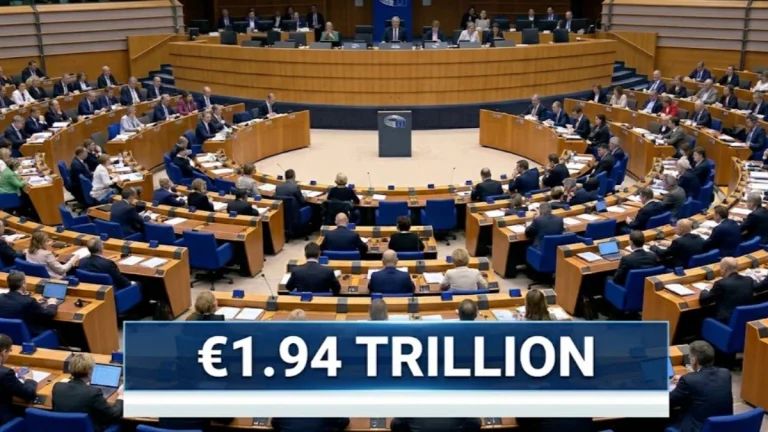
Brussels has a new plan. The EU Budget Expansion 2026 seeks €1.94 trillion to boost defence and competitiveness, funded by controversial new EU-level corporate and digital taxes.