







🎧 Listen to This Article
Reconciliation 2.0 officially moved to the Senate floor today, marking a structural pivot in the U.S. fiscal landscape. While the original “One Big Beautiful Bill” (OBBBA) focused on historic tax cuts, this sequel, known as Reconciliation 2.0, is designed as a $140 billion “enforcement stick.” Lawmakers are now tasked with funding a massive surge for ICE and CBP without unraveling the low-tax environment established last year, relying instead on a masterclass in budgetary gymnastics.
The $140 Billion Engine: Mandatory Funding for ICE & CBP
Under the Reconciliation 2.0 framework, national security funding is moving from “discretionary” to “mandatory” spending. This shift effectively “bulletproofs” enforcement budgets against future political shutdowns through 2029.
- Technology & Personnel: A massive injection of capital for drone tech and border infrastructure.
- The Accountability Layer: For the first time, agencies must meet specific performance metrics to unlock the final tranches of the Reconciliation 2.0 funds.
- Insulated Budgets: By bypassing the annual appropriations process, the bill ensures enforcement stays active regardless of D.C. gridlock.
The “Offset” Hunt: How Reconciliation 2.0 Affects You
Because Reconciliation 2.0 must adhere to the “Byrd Rule,” it cannot increase the long-term deficit. To find the $140 billion, lawmakers are targeting “waste and fraud” rather than raising tax rates.
| Potential Offset Category | Probability | Impact on Individual Taxpayers |
| Audit Efficiency | High | Increased IRS scrutiny on refundable credits (EITC/CTC). |
| Social Program Reform | High | Tightening eligibility for SNAP and Medicaid. |
| Tariff Revenue | Medium | Utilizing customs duties to “plug” the $140B gap. |
| Tax Rate Hikes | Near Zero | The majority remains committed to OBBBA tax cuts. |
The Compliance Trap
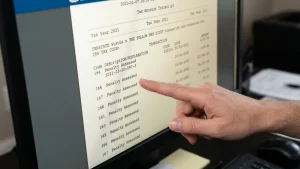
In the world of Reconciliation 2.0, the “tax” isn’t a higher rate; it’s a higher standard of proof. Lawmakers are looking to recoup billions by tightening the verification process for refundable credits. For the average American, this means the IRS will be looking much closer at “overclaims” on credits like the Child Tax Credit. In 2026, a “clean” return is your only defense against the offsets being debated on the floor today.


Click here to open the standard version and post your comment.