








🎧 Listen to This Article
The CIT Global Tariff Ruling 2026 has fundamentally altered the geopolitical landscape, forcing a Department of Justice (DOJ) counter-move while the White House issues a fresh automotive ultimatum to Brussels. Following a landmark judicial setback for the administration’s baseline tariff strategy, the DOJ is moving today to preserve its revenue-raising powers. Simultaneously, the gaze of the Executive branch has turned toward the European Union with a high-stakes demand regarding the “Turnberry” trade agreement.
1. The CIT Global Tariff Ruling 2026: Judicial Reality vs. Market Fact
On Thursday, May 7, the U.S. Court of International Trade (CIT) declared the 10% global baseline tariff (Proclamation 11012) “unlawful.” In the case of Oregon v. United States, the court found that the use of Section 122 of the Trade Act of 1974 was based on an unauthorized interpretation of “balance-of-payments” deficits.
However, the CIT Global Tariff Ruling 2026 currently features a “Plaintiffs-Only” filter that importers must understand:
| Importer Group | Legal Status | Action Required |
| Named Plaintiffs | Permanently Enjoined | Cease 10% duty payments immediately. |
| Non-Plaintiff Importers | Duties Active | Must continue 10% payments to CBP. |
| The DOJ Move | Appealing Today | Requesting a stay at the Federal Circuit. |
Critical Note: Relief from the CIT Global Tariff Ruling 2026 was granted only to the State of Washington, Burlap & Barrel, Inc., and Basic Fun!, Inc. For 99% of the market, the 10% surcharge remains due.
2. The Turnberry Ultimatum: 25% Auto Surcharges
As the CIT Global Tariff Ruling 2026 puts Section 122 in jeopardy, the administration is pivoting to Section 232 (National Security) for its next trade lever. President Trump has set a hard deadline of July 4, 2026—America’s 250th anniversary—for the EU to ratify the “Turnberry” trade deal.
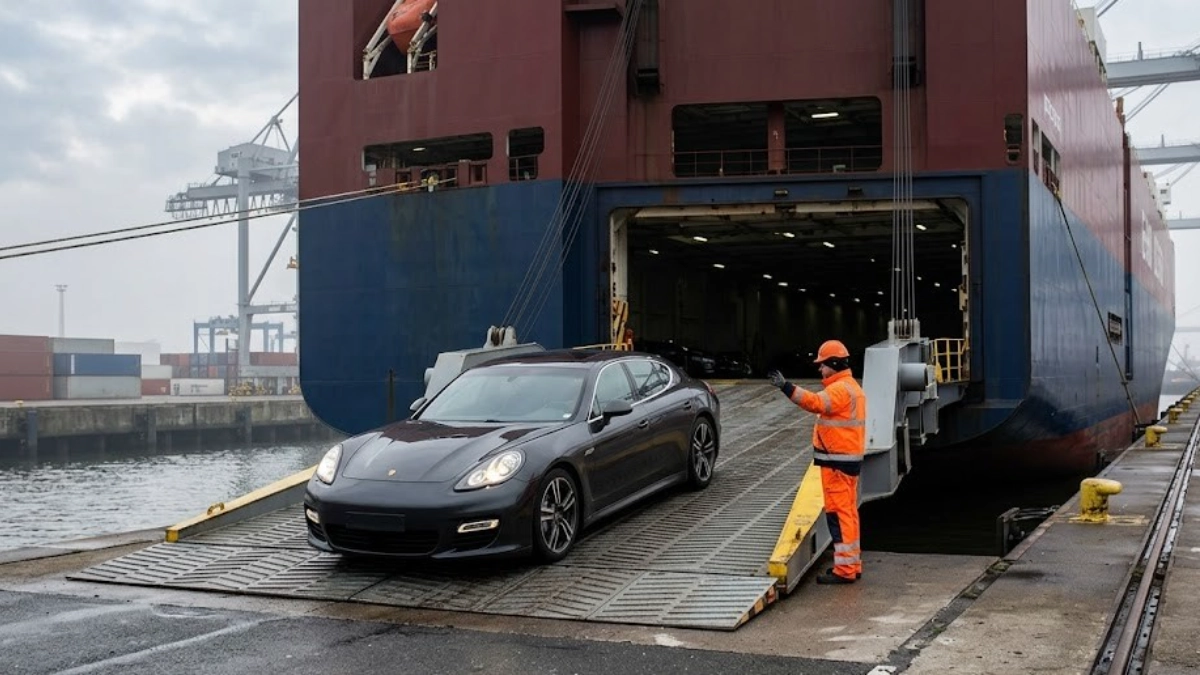
- The 25% Threat: Failure to implement the Scotland agreement (meant to cap duties at 15%) will trigger a jump to 25% tariffs on EU-made cars and trucks.
- The Brussels Deadlock: The European Parliament is currently stalled in “trilogue” negotiations, insisting on safeguard measures that the White House classifies as a breach of the original handshake deal.
- Legal Resilience: By framing this under Section 232, the administration is utilizing a legal authority that has historically proven more “court-proof” than the justification struck down in the CIT Global Tariff Ruling 2026.
The “July Cliff”
Trade practitioners should view the CIT Global Tariff Ruling 2026 as a warning shot, not a ceasefire. Even if the Section 122 baseline is dismantled on appeal, the administration is already fast-tracking Section 301 “back-up” investigations to re-impose similar rates under a different legal banner. For EU manufacturers, the July 4 deadline creates a “cliff” that could redefine transatlantic trade overnight. If you aren’t a named plaintiff, your duty liability hasn’t changed—but your risk profile has.


Click here to open the standard version and post your comment.