







🎧 Listen to This Article
The Kenya Finance Bill 2026, currently in its draft phase, has ignited a fierce debate over the balance between national revenue mobilization and individual privacy. The National Treasury’s proposal represents a significant structural shift in how the Kenya Revenue Authority (KRA) operates, moving from a cooperative “self-assessment” model to an aggressive “data-first” enforcement regime. If passed, the KRA will no longer wait for declarations; it will “pull” the data it needs to dictate tax liability.
Expansion of Data-Snooping Powers
The Kenya Finance Bill 2026 seeks to grant the KRA Commissioner explicit power to determine liability using third-party data, effectively bypassing the taxpayer’s own records.
- Warrantless Access: The 2026 draft streamlines the KRA’s ability to access data from banks, mobile money platforms (M-Pesa), and ISPs without traditional warrants or prior notification.
- The “Data Lake” Sources: Automated feeds from bank APIs, real-time payroll data, and digital marketplace records (including crypto exchanges) will be integrated into a central enforcement engine.
- eTIMS as the Digital Hub: Under the Kenya Finance Bill 2026 framework, all commercial ledgers must integrate with the KRA. Any expense not backed by a real-time eTIMS invoice will be automatically disallowed.
Structural Shift: Legacy vs. 2026 Draft Standard
| Feature | Legacy System (Pre-2026) | Kenya Finance Bill 2026 Draft |
| Audit Trigger | Manual Selection / Random | System-Generated “Invisible” Audits |
| Data Access | Warrant-based / Slow | Warrantless / Real-time API Access |
| Burden of Proof | Primarily on KRA (Initially) | Shifts to Taxpayer (Pre-populated) |
| Compliance Type | Voluntary Self-Assessment | Mandatory Real-time Integration |
Silicon Scrutiny
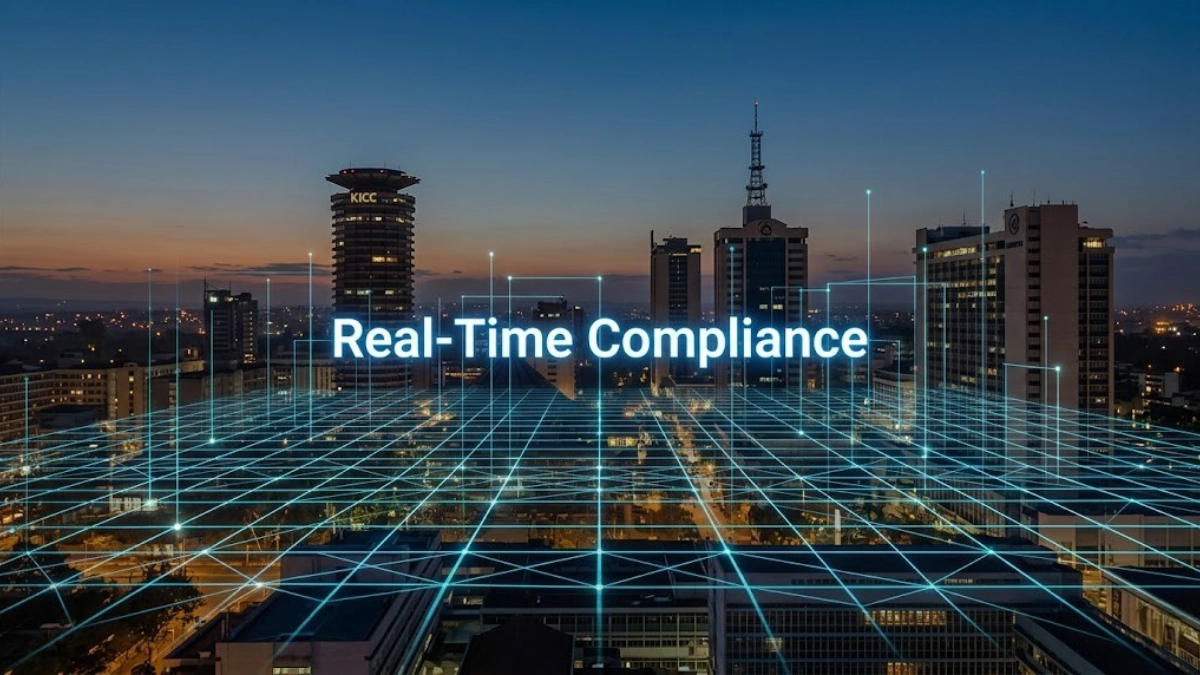
The Kenya Finance Bill 2026 signals that “compliance” is no longer a year-end task for the Nairobi tech hub—it is a real-time feature that must be coded into every app. By prioritizing “ledger legibility” over privacy, the Treasury is effectively turning every digital transaction into a tax report. However, the move faces a massive legal mountain: Article 31 of the Constitution (Right to Privacy). If the tech sector and civil society mount a successful challenge, this “data lake” might remain a mirage.


Click here to open the standard version and post your comment.