






🎧 Listen to This Article
CANBERRA — May 13, 2026 — The Australia Nuisance Tariffs 2026 reform has officially entered its technical implementation phase today. Following the 2026-27 Federal Budget, the Department of Home Affairs has begun “scrubbing” 497 nuisance tariffs—a move designed to dismantle the administrative friction that has long plagued importers. By removing these redundant 5% duties on goods already largely covered by free trade agreements, the government is prioritizing supply chain speed over negligible revenue collection.
The “Scrubbing” Phase: Eliminating Red Tape
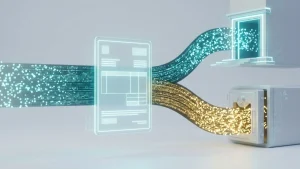
The technical phase of the Australia Nuisance Tariffs 2026 initiative involves a comprehensive re-alignment of the Customs Tariff Act 1995. Border officials are currently removing specific statistical codes to ensure that from July 1, 2026, these items flow into the country without complex “origin” documentation.
- Broad Spectrum Items: The list includes everyday essentials and industrial inputs such as wine glasses, tyres, air conditioners, margarine, bitumen, and even toothbrushes.
- The “Nuisance” Factor: These items generate minimal revenue for the Commonwealth—often costing more to administer than they raise—but force businesses to spend thousands of hours proving eligibility for concessions.
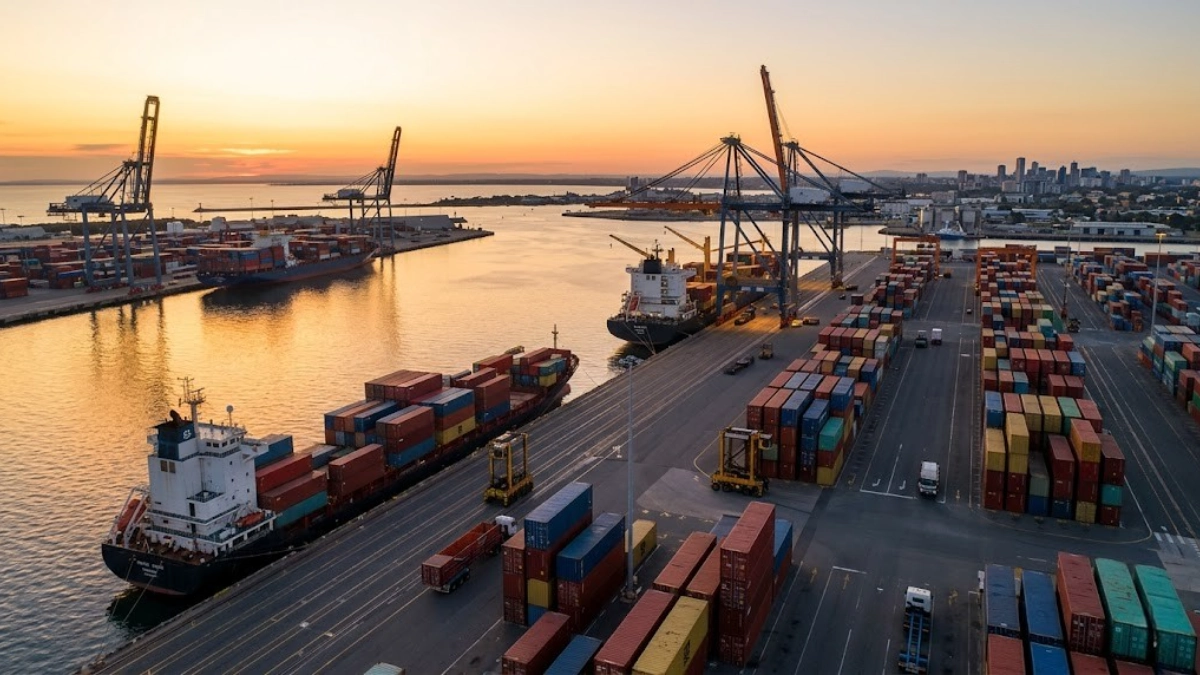
- Streamlining Trade: This tranche alone will simplify approximately $23 billion worth of annual trade.
The Compliance Dividend: Metrics of Success
| Metric | Impact of 497 Tariff Removal |
| Annual Business Savings | $157 Million (Estimated compliance/admin costs) |
| Total Tariffs Abolished | ~1,000 (Tranche 1 + Tranche 2) |
| Trade Value Affected | $23 Billion annually |
| Effective Date | July 1, 2026 |
Certainty through Simplicity
The removal of Australia Nuisance Tariffs 2026 is the quietest but most effective productivity lever in this year’s Budget. By moving away from a “prove you’re exempt” model to a “you are simply free” model, the government is returning millions of man-hours to the private sector. While the immediate out-of-pocket savings for SMEs are significant, the total economic unlock from removing specialized industrial part duties is the real headline here.


Click here to open the standard version and post your comment.