







🎧 Listen to This Article
The Cisco Splunk Hidden Costs of Downtime 2026 report has officially laid bare the severe financial and operational consequences of enterprise infrastructure instability, proving that unplanned outages have graduated into a permanent board-level crisis. Released today, Tuesday, May 19, 2026, the comprehensive study—produced in partnership with Oxford Economics—reveals that unplanned infrastructure failures now cost Global 2000 companies an aggregate $600 billion annually. This marks a massive 50% spike over the last 24 months alone.
As digital dependency deepens and modern enterprise architectures face systemic exposure from security breaches, infrastructure bloat, and unverified shadow AI deployments, downtime has evolved from an isolated IT headache into an existential corporate governance risk.
The Per-Minute Bleed: Financial and Market Erosion
The data underscores that the operational bleeding from a single service degradation or cloud blackout triggers immediate, multi-layered financial shockwaves. For a typical Global 2000 enterprise, unplanned downtime now incurs an average revenue and operational erosion of $95 million annually—nearly double the parameters recorded just two years ago.
The financial toll during an active outage can be analyzed through a clear operational breakdown:
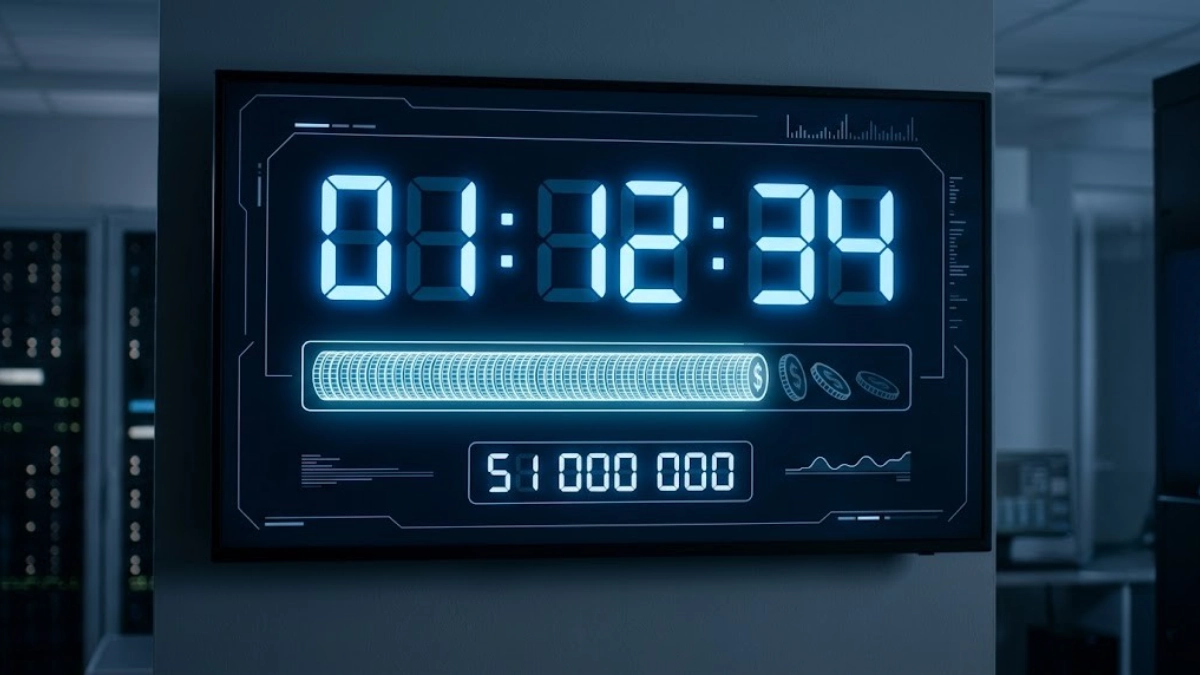
- The Financial Bleed Rate: Across major industries, every single minute of unplanned downtime now costs an organization an average of $15,000 (translating to a staggering $900,000 per hour).
Beyond the direct immediate costs of recovery and lost sales, the market penalty for operational failure has become highly responsive. Public companies experience an average 3.4% drop in their stock price immediately following a single major, unmitigated downtime event. Institutional shareholders are increasingly viewing these public outages as leading indicators of weak risk governance and tech stack mismanagement, triggering swift adjustments to equity valuations.
The Triple Threats: Ransomware, Fines, and Disclosure Shock
The active 2026 data indicates a sharp escalation across three highly volatile cost components, driven largely by harsher international security mandates and the industrialized efficiency of cybercriminal networks:
- Ransomware Extortion Spikes: Driven by highly targeted corporate network infiltrations, average ransomware payouts have nearly tripled since 2024, now reaching a staggering $40 million per major corporate incident.
- The Regulatory Compliance Hammer: Driven by the aggressive enforcement of strict regional cybersecurity data frameworks—such as the EU’s Digital Operational Resilience Act (DORA) and updated GDPR protocols—compliance-related fines have escalated to an average of $51 million per penalized organization.
- The Reputation Disclosure Wall: Publicly disclosing a data breach or catastrophic outage is now tracked as the single most severe hidden cost of downtime. Seventy-one percent of technology executives rate public disclosure as prohibitively disruptive to brand equity, up from just 23% two years ago.
The Anatomy of Modern Downtime Costs (2026 Metrics)
| Cost Impact Component | 2024 Baseline Avg | May 19, 2026 Active Avg | Two-Year Trend Shift |
| Aggregate Global 2000 Cost | $400 Billion | $600 Billion | +50.0% |
| Organizational Loss Per Minute | ~$9,000 | $15,000 | +66.6% |
| Annual Revenue Impact Per Firm | $49 Million | $95 Million | +93.8% |
| Typical Ransomware Payout | ~$14 Million | $40 Million | +185.7% |
| Average Regulatory Fine | N/A (Segmented) | $51 Million | New Peak Net Base |
The Shift Toward Predictive Observability
The traditional reactive “break-fix” IT mentality is financially untenable in the current operating environment. When an infrastructure blind spot costs your firm $15,000 a minute, you cannot afford to have 89% of your senior engineering team tied up in manual log triage trying to isolate a single bad line of code or a misconfigured third-party SaaS API.
This is exactly why we are seeing a massive enterprise budgetary migration. Over 72% of ITOps and engineering leaders are actively shifting funds away from legacy data center refreshes and directly into automated, real-time end-to-end observability tools. In 2026, corporate resilience isn’t measured by how much tech spend you accumulate; it’s measured by your system’s automated capacity to self-heal before a disruption forces a mandatory, market-damaging board disclosure.


Click here to open the standard version and post your comment.