





🎧 Listen to This Article
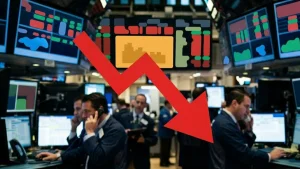
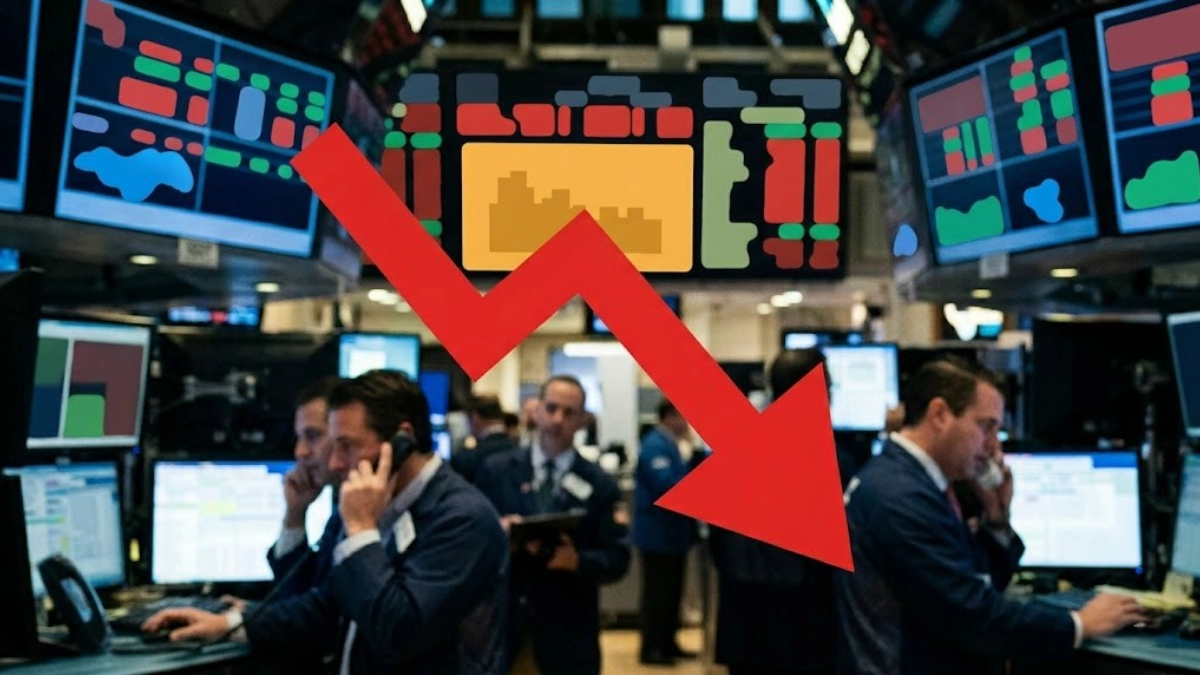
The economic forecasting season has taken a somber turn today as the International Monetary Fund and the European Central Bank released their coordinated May briefs. The IMF Global Growth Revision 2026 confirms that the global economy is transitioning into a structural “regime of expensive growth.” Driven by the escalation of Middle East conflicts earlier this year, energy has moved from a variable cost to the primary anchor on global prosperity, forcing a significant retreat in growth targets.
The Revision: A 3.1% Global Ceiling
The IMF Global Growth Revision 2026 has downgraded the world’s GDP projection to 3.1%, down from the 3.4% forecasted in January. This represents a “danger zone” for developing economies struggling to manage debt-to-GDP ratios in a high-cost environment.
| Metric | Previous Projection (Jan 2026) | New Projection (May 2026) | Change |
| Global GDP Growth | 3.4% | 3.1% | -0.3% |
| Euro Area Growth | 1.8% | 1.2% | -0.6% |
| Emerging Markets | 4.2% | 3.8% | -0.4% |
| Global Trade Volume | 3.2% | 2.5% | -0.7% |
The “Pure Supply Shock”: Euro Area Inflation
The ECB’s brief was particularly pointed, classifying current inflation as a “Pure Supply Shock.” Unlike demand-driven inflation, this spike is driven almost entirely by exogenous energy costs.
The Inflation Formula:
Total Inflation = Core Inflation + Energy Shock (ε)
Because core inflation remains relatively stable, the ECB is signaling that aggressive interest rate hikes may be “blunt instruments.” There is a growing risk that traditional monetary policy will induce a recession without actually lowering the price of a barrel of oil.
The Fiscal “Indulgence” Strategy
The Reality Check: We aren’t looking at a 2008-style systemic collapse; we’re looking at a “Security Surcharge” on the entire planet. By issuing the IMF Global Growth Revision 2026, the IMF is effectively telling governments that they cannot simply “grow their way” out of this crisis. Expect a surge in “Solidarity Levies” (Windfall Taxes) on energy producers—not just for revenue, but as a political pressure valve. In 2026, green subsidies have become the modern fiscal indulgence: a way for governments to pay for the energy independence they should have secured a decade ago.


Click here to open the standard version and post your comment.