







🎧 Listen to This Article
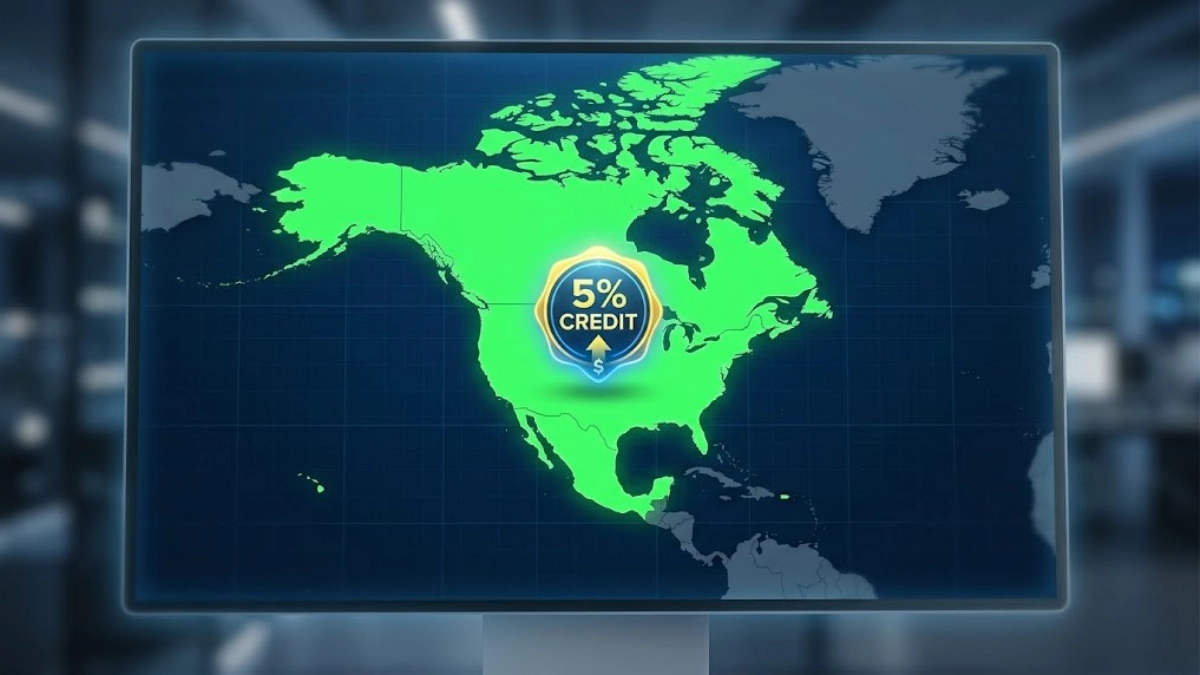
U.S. Customs and Border Protection (CBP) has officially launched a transformative tool for the North American supply chain. As of today, the CBP Duty Credit Portal 2026 is live, offering a financial incentive for importers to pivot their manufacturing footprints away from high-risk global markets and toward regional partners. This initiative represents a strategic shift, rewarding importers who invest in high-utilization North American labor within designated Trusted North American Zones (TNAZ).
The 75% Threshold: Defining the Rules of “Near-Shoring”
The CBP Duty Credit Portal 2026 allows importers to claim a 5% duty drawback—a significant margin for high-volume retail and industrial sectors. However, the requirements are rigorous:
- The Labor Content Rule: To qualify, goods must have at least 75% local labor content. This is calculated using the following formula:Labor Content % = (Direct Manufacturing Man-Hours ÷ Total Production Man-Hours) × 100
- Verification via Blockchain: Importers must upload “Digital Labor Certificates” to the CBP Duty Credit Portal 2026. The system uses blockchain-verified payroll data to cross-reference claims against the Bill of Lading in real-time.
- The 5% Drawback: This is applied as a direct credit against future duties or as a refund on raw materials imported into the zone for final assembly.
The Resilience Pivot: Legacy Drawback vs. 2026 Standard
| Feature | Legacy Duty Drawback | CBP Duty Credit Portal 2026 Standard |
| Primary Goal | Export Promotion | Regional Supply Chain Resilience |
| Labor Requirement | None (Component-based) | 75% Local Labor Content |
| Verification | Periodic Paper Audits | Real-time Digital Portal Uploads |
| Benefit Level | Substitution-based | Fixed 5% Duty Drawback |
The End of “Assembled in Name Only”
The CBP Duty Credit Portal 2026 is a direct strike against transshipment and superficial assembly. By setting the labor threshold at 75%, CBP is ensuring that the 5% duty credit only goes to firms making deep, structural investments in North American workers. In 2026, near-shoring is no longer a buzzword; it is a line-item credit that can determine the profitability of major importers.


Click here to open the standard version and post your comment.