

🎧 Listen to This Article
As multinational enterprises lock in their mid-quarter financial modeling for the second quarter, global corporate tax departments are aggressively running simulations against a major new compliance shield. Today, Monday, May 18, 2026, corporate treasuries are crunching numbers under the newly active Substance-Based Tax Incentive Safe Harbour. This framework officially entered the rulebooks for the 2026 fiscal year following its introduction in the OECD’s landmark January Side-by-Side (SbS) Package.
The introduction of this defensive mechanism represents an essential compromise by the OECD Inclusive Framework, providing a protective path for nations determined to preserve their domestic investment attractiveness without triggering punitive foreign Top-up Taxes.
The Mechanics of QTIs: Salvaging R&D and Expenditure Credits
Under standard Pillar Two Global Anti-Base Erosion (GloBE) baseline rules, traditional corporate tax incentives—such as localized tax holidays or non-refundable credits—reduce an MNE’s covered taxes. This slashes the effective tax rate (ETR) numerator, frequently dragging the jurisdictional rate below the mandatory 15% floor and triggering an immediate Top-up Tax.
The Substance-Based Tax Incentive Safe Harbour fundamentally alters this math by introducing a new regulatory category: Qualified Tax Incentives (QTIs).
- Expenditure-Based Lifelines: If an incentive is generally available and calculated directly based on local expenditures incurred—such as a certified R&D Tax Credit or an investment allowance—it qualifies as a QTI.
- Production-Based Protections: Incentives calculated on the physical volume of tangible goods produced within the jurisdiction (e.g., green electricity generation, mineral processing, or domestic manufacturing volume) are also sheltered under specific tangible output rules.
- The Numerator Boost: Instead of dragging down compliance metrics, a QTI can be legally added back into Adjusted Covered Taxes. This effectively insulates the domestic tax benefit from being wiped out by foreign Undertaxed Profits Rule (UTPR) or Income Inclusion Rule (IIR) clawbacks.
The Substance Cap: The Math Behind the Shield
The OECD has not handed corporate groups a blank check under the new rules. To prevent paper-shuffling and purely artificial profit shifting, the Substance-Based Tax Incentive Safe Harbour applies a strict, substance-grounded ceiling. The amount of Qualified Tax Incentives that a multinational can add back to its covered taxes in any given jurisdiction is strictly limited by its localized economic footprint.
By default, the statutory Standard Substance Cap is calculated using a straightforward rule:
- Substance Cap = 5.5% × [Eligible Payroll Expenses OR Tangible Asset Depreciation] (whichever of the two figures is higher)
Alternatively, to provide stability for asset-heavy industries, a corporate group can execute a binding Five-Year Election for a specific jurisdiction. This opts them into an alternate asset-base ceiling governed by carrying values:
- Alternative Substance Cap = 1% × Carrying Value of Tangible Assets
If the total value of your local R&D or investment credits exceeds these substance thresholds, the safety net snaps. The excess benefit is stripped directly from your Covered Taxes, exposing those residual profits to the standard 15% global minimum tax calculation.
Pillar Two Incentive Mapping: Standard GloBE vs. SBTI Safe Harbour
| Incentive Feature | Standard Baseline GloBE Rules | Active 2026 SBTI Safe Harbour |
| ETR Impact Mechanism | Reduces Covered Taxes (Lowers ETR) | Deemed Addition to Covered Taxes (Boosts ETR) |
| Treatment of R&D Credits | Triggers potential foreign Top-up Tax | Shielded, provided local substance thresholds are met |
| Cap Framework | Uncapped but highly exposed to clawback | Capped at 5.5% of Payroll/Depreciation or 1% Asset Value |
| Application Level | Calculated per individual Constituent Entity | Applied uniformly per Tested Jurisdiction |
| Core Requirement | Paper compliance focus | Explicit requirement for physical assets and local jobs |
A Lifeline with Strings Attached
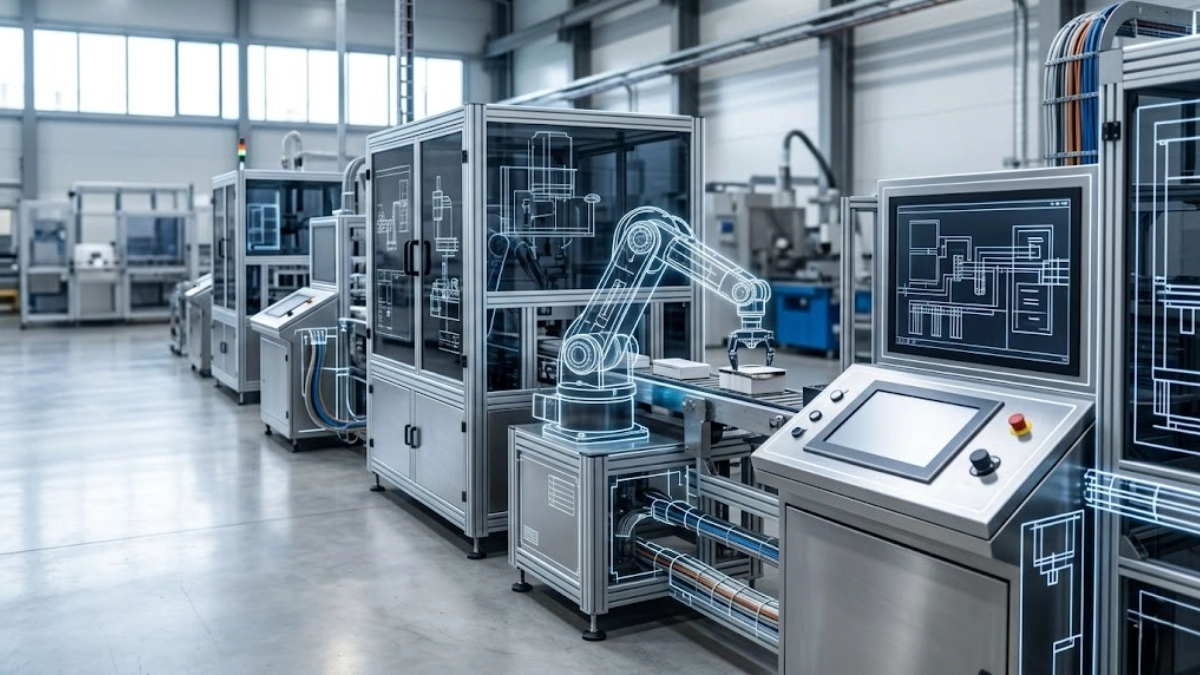
The Substance-Based Tax Incentive Safe Harbour is the ultimate brick-and-mortar amendment to the Global Minimum Tax. For corporate giants who have spent the last two years panicking that Pillar Two would completely neutralize their hard-won R&D tax credits, this brings a massive sigh of relief.
But make no mistake: the OECD designed this with very deliberate strings attached. If your R&D center is a lean, highly profitable IP shell with minimal local headcount, the 5.5% cap will offer you practically zero protection. The message from the international tax community is clear: if you want to keep your tax incentives, you must keep your factories, your machinery, and your employees physically rooted in the soil.
