


🎧 Listen to This Article
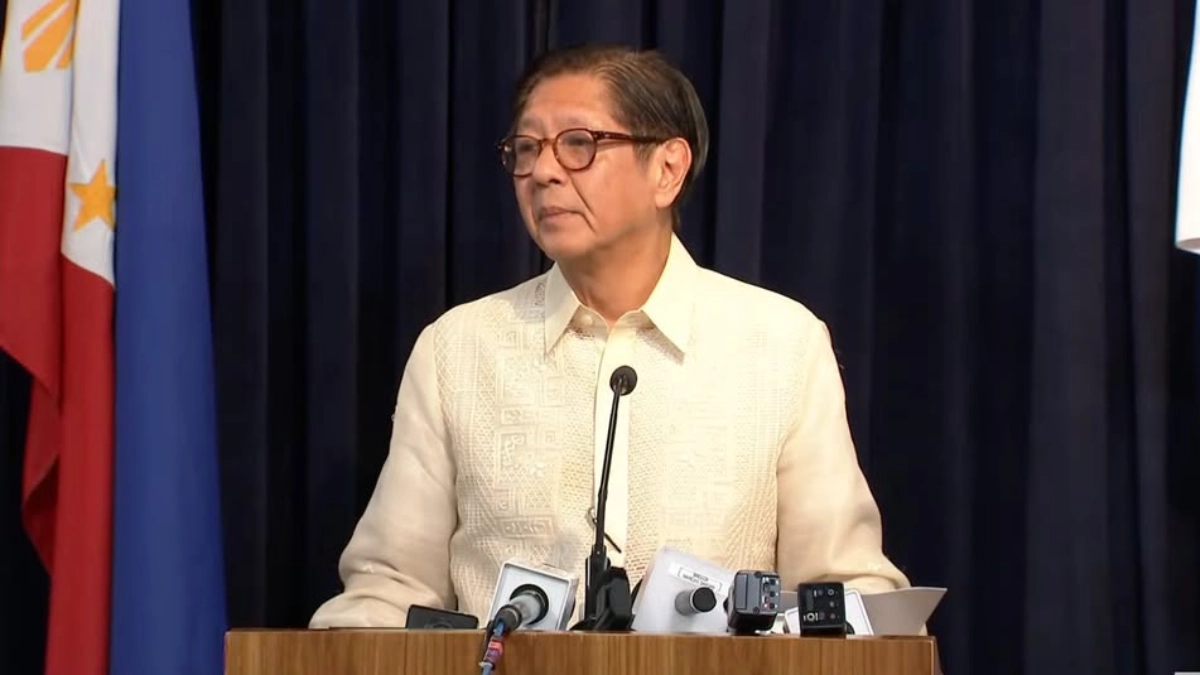
Philippines Fuel Tax Relief has officially arrived as President Ferdinand R. Marcos Jr. signed Republic Act No. 12316 into effect today, April 14, 2026. The move provides an immediate “breathing room” for millions of Filipino households by suspending excise taxes on Liquefied Petroleum Gas (LPG) and kerosene, two of the most critical energy sources for the nation’s lower-income brackets.
This strategic intervention comes as global oil prices surge past $100 per barrel, threatening to push domestic inflation to uncomfortable new highs.
Key Components of the Relief Package
The Philippines Fuel Tax Relief isn’t a blanket cut across all petroleum products; it is a surgical strike designed to protect household budgets rather than industrial transport.
- LPG Savings: The suspension removes ₱3.36 per kilo of excise tax. For a standard 11-kg cylinder, this means a price drop of roughly ₱37.
- Kerosene Relief: A significant ₱5.60 per liter reduction, directly benefiting rural households and fishing communities.
- Food Tariff Alignment: Complementing the fuel cuts, the government is also fast-tracking lower import duties on pork and corn to stabilize the “food and fuel” inflation nexus.
The Fiscal Strategy
By focusing on Philippines Fuel Tax Relief for LPG and kerosene rather than gasoline or diesel, the Department of Finance is protecting the majority of the Bureau of Customs’ revenue. While this targeted suspension will cost the treasury approximately ₱400 million a month, it avoids the catastrophic ₱43 billion quarterly loss that a total fuel tax holiday would trigger.
Economic Note: This targeted approach ensures the government can still fund its social safety nets while providing a visible “win” for consumers at the cooking stove.
