


🎧 Listen to This Article
IRS information-reporting thresholds are set for a significant reset under newly proposed U.S. regulations, with Treasury and the Internal Revenue Service aiming to reduce filing burdens for millions of taxpayers and payers. In proposed rules published on April 17, 2026, the agencies moved to update regulations after statutory changes, including a higher reporting threshold for certain payments and a revised rule limiting wagering-loss deductions to 90% of losses during a taxable year. Treasury and the IRS estimate that about 3.6 million taxpayers would be affected and that the higher threshold could reduce filing burden by roughly $982 million for calendar year 2027, reflecting tax year 2026 returns.
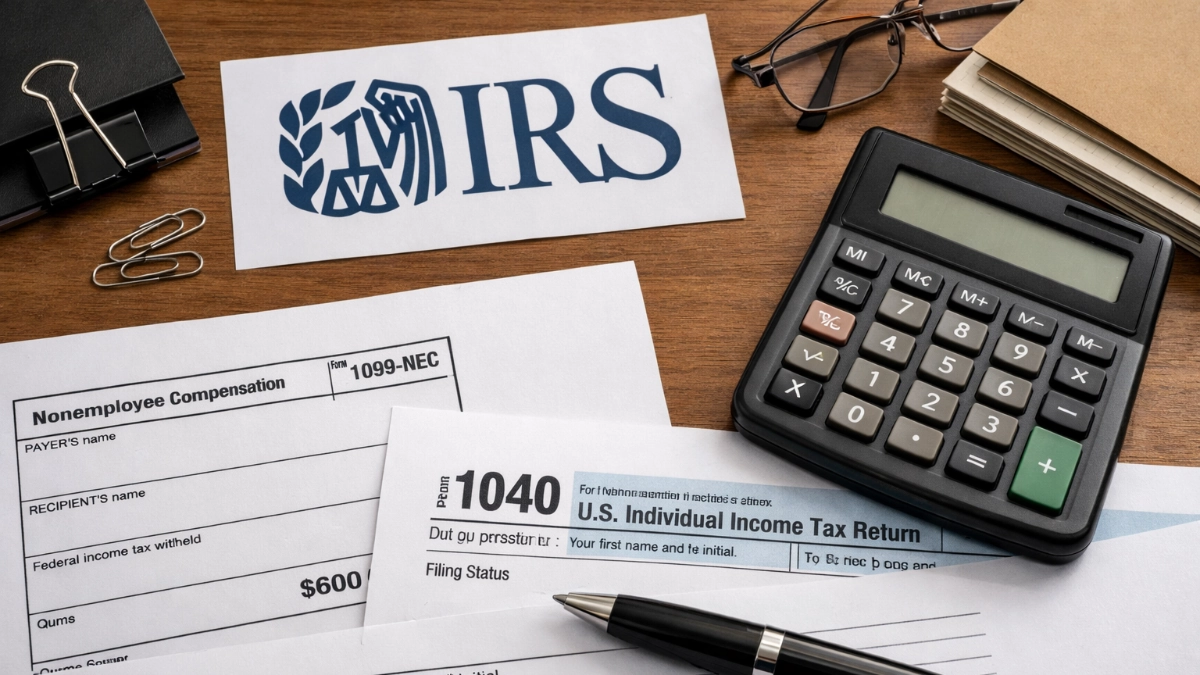
At the center of the proposal is a long-discussed shift in the dollar threshold for certain information returns under section 6041. The proposed regulations reflect legislation enacted in 2025 that raised the general reporting trigger from $600 to $2,000 for payments made after December 31, 2025, with annual inflation adjustments beginning after calendar year 2026. In practical terms, that means some smaller business payments that previously triggered Forms 1099 reporting would no longer do so once the new rule takes effect.
The proposal also updates the tax treatment of gambling losses. Treasury and the IRS said the regulations would implement a statutory rule that limits the deduction for wagering losses to 90% of those losses, a change that narrows the ability of affected taxpayers to offset gambling gains fully with losses. That provision sits alongside the reporting-threshold changes in the same proposed rule, giving the package a wider reach than the headline number on Forms 1099 might suggest.
For businesses, payroll teams, and tax departments, the immediate point is not that the rule is final, because it is not. It is that Treasury and the IRS are now formally laying out how they intend to implement the statute in regulation. That matters because information reporting is one of the core compliance systems linking businesses, payees, and the IRS. A higher threshold may reduce paperwork and administrative cost, but it also changes reporting processes, internal controls, and the points at which businesses need to issue forms and apply backup withholding rules.
For now, the proposal signals a clear policy direction: fewer low-dollar information returns, lower compliance burden for some filers, and tighter statutory treatment of wagering losses. With IRS information-reporting thresholds now moving through the rulemaking process, employers, payers, tax preparers, and affected individuals have an early look at how these changes are expected to operate for the 2026 tax year and beyond.
