


🎧 Listen to This Article
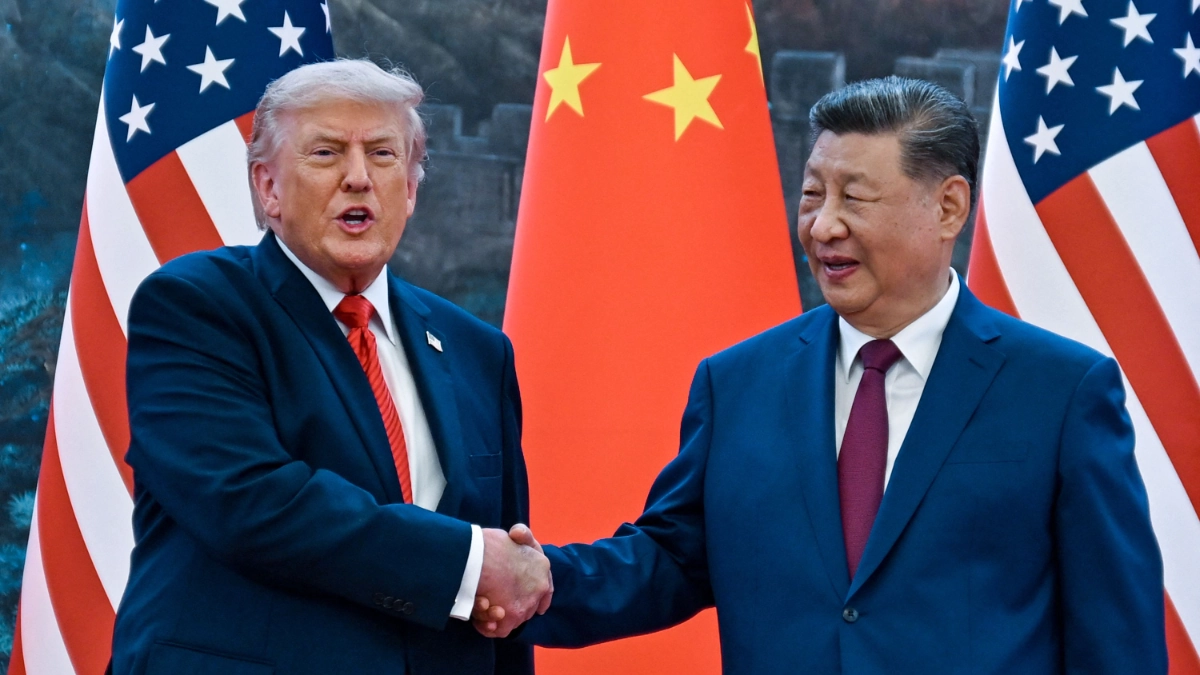
High-stakes diplomacy in Beijing concluded today with a performance that many analysts are calling “strategic breathing room.” The summit between President Xi Jinping and President Trump resulted in the China-U.S. Strategic Stability 2026 framework—a three-year roadmap designed to prevent the world’s two largest economies from drifting into accidental kinetic conflict. While providing a significant “thaw” for global markets, the underlying geopolitical tensions remain high, particularly regarding energy security and the Persian Gulf.
The “Beef” for Stability: Immediate Trade Wins
The most immediate success of the China-U.S. Strategic Stability 2026 vision is a substantial expansion of trade logic aimed at cooling domestic pressures in both nations:
- Agricultural Surge: China has committed to a massive multi-year purchase of U.S. beef and soy. This is intended to curb food inflation in Chinese tier-2 cities while stabilizing the U.S. “Farm Belt.”
- APEC 2026 (Shanghai): In a major diplomatic pivot, the U.S. has formally supported Shanghai as the host for specialized APEC ministerial meetings next week.
- Tariff “Standstill”: While the Section 122 Baseline Tariffs remain, a “Stability Clause” has been activated. Both sides agree to pause any new retaliatory tariffs for a 180-day cooling-off window.
The Beijing Ledger: Agreed vs. Deadlocked
| Issue | Status | Outcome / Sentiment (2026) |
| Agricultural Trade | Resolved | Record-high U.S. beef export quotas to China. |
| APEC Shanghai | Resolved | U.S. delegation confirmed for next week. |
| Strait of Hormuz | Deadlocked | No consensus on “Freedom of Navigation.” |
| Taiwan Arms Sales | Deadlocked | Red Lines maintained; Status Quo remains. |
| Section 122 Tariffs | Paused | Surcharges preserved but “frozen” for 6 months. |
The “Predictability” Premium
Let’s call this what it is: an “Agreement to Disagree” with superior branding. By focusing on beef and APEC, both leaders are attempting to provide the “Predictability Premium” that multinational corporations have been begging for since the Iran conflict began earlier this year. However, the deadlock on the Strait of Hormuz is the elephant in the room. In 2026, no amount of agricultural trade will be enough to stabilize the global supply chain if oil flows remain compromised.
