


🎧 Listen to This Article
China-Africa Zero-Tariff 2026 is officially hitting the ground running this Friday, May 1, 2026. In a move that effectively turns the “market access” knob to 11, Beijing has announced that zero-tariff treatment will now extend to every African nation with which it shares diplomatic ties.
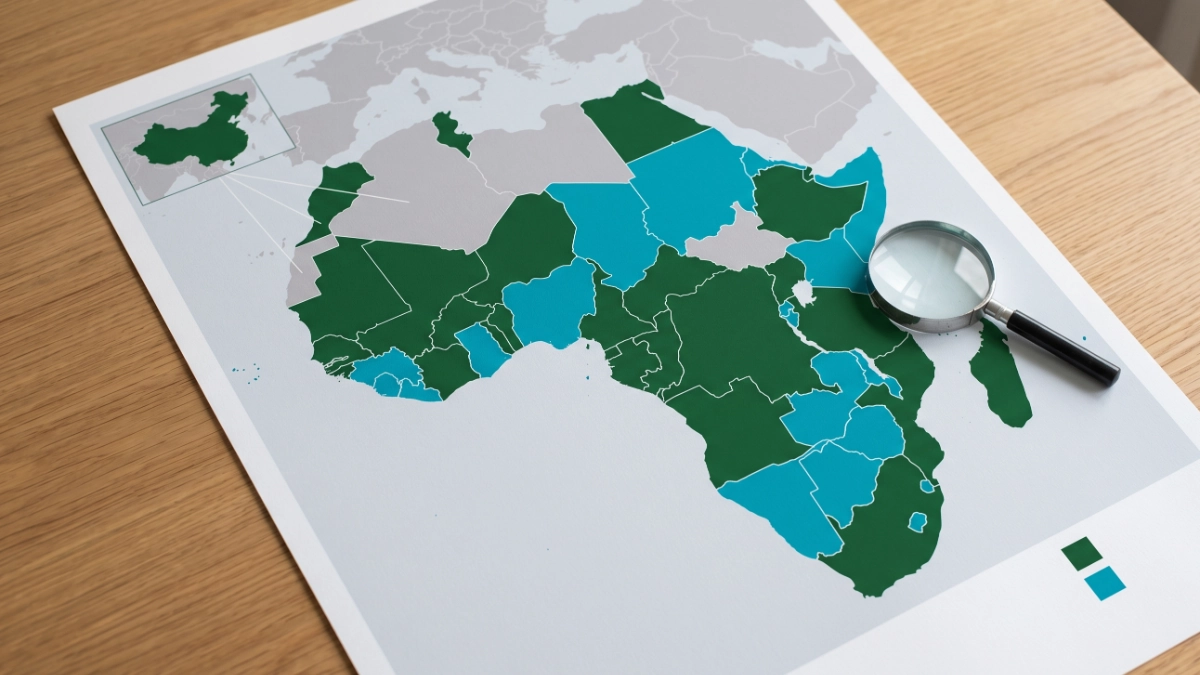
While 33 African Least Developed Countries (LDCs) have been enjoying this tax-free ride since late 2024, the inclusion of the remaining 20 non-LDC nations marks a historic first. China is now the first major economy to provide unilateral, 100% coverage zero-tariff treatment to an entire regional bloc, signaling a massive pivot toward high-standard trade liberalization.
The May 1st Expansion: LDCs vs. Non-LDCs
The expansion, codified by the Customs Tariff Commission of the State Council, bridges the gap between the continent’s most vulnerable economies and its emerging powerhouses. By removing the final barriers for 20 additional countries, the policy now covers all 53 African nations that maintain formal diplomatic relations with Beijing.
| Category | Countries Covered | Policy Status |
| LDCs | 33 Nations | Active since Dec 1, 2024 |
| Non-LDCs | 20 Nations | Starts May 1, 2026 |
| Tariff Lines | 100% | Zero duties on all covered goods |
| Duration | 2 years | Until April 30, 2028 (Initial Phase) |
Technical Nuance: The Tariff-Rate Quota (TRQ) Exception
While the headline says “zero,” it is important to note the technical “fine print” for transparency. For products subject to tariff-rate quotas (such as certain grains or specialized agricultural goods), the China-Africa Zero-Tariff 2026 policy applies only to the in-quota tariff rate. Out-of-quota rates will remain at their standard levels to prevent market flooding and protect domestic production cycles.
Grounded AI Insight: This isn’t just about charity; it’s about supply chain resilience. By zeroing out tariffs for diversified economies like South Africa, Nigeria, and Egypt, China is betting that a “subtraction” in tax revenue will lead to a massive “multiplication” in industrial and trade flows, securing long-term resources while positioning itself as Africa’s indispensable economic partner.
