


🎧 Listen to This Article
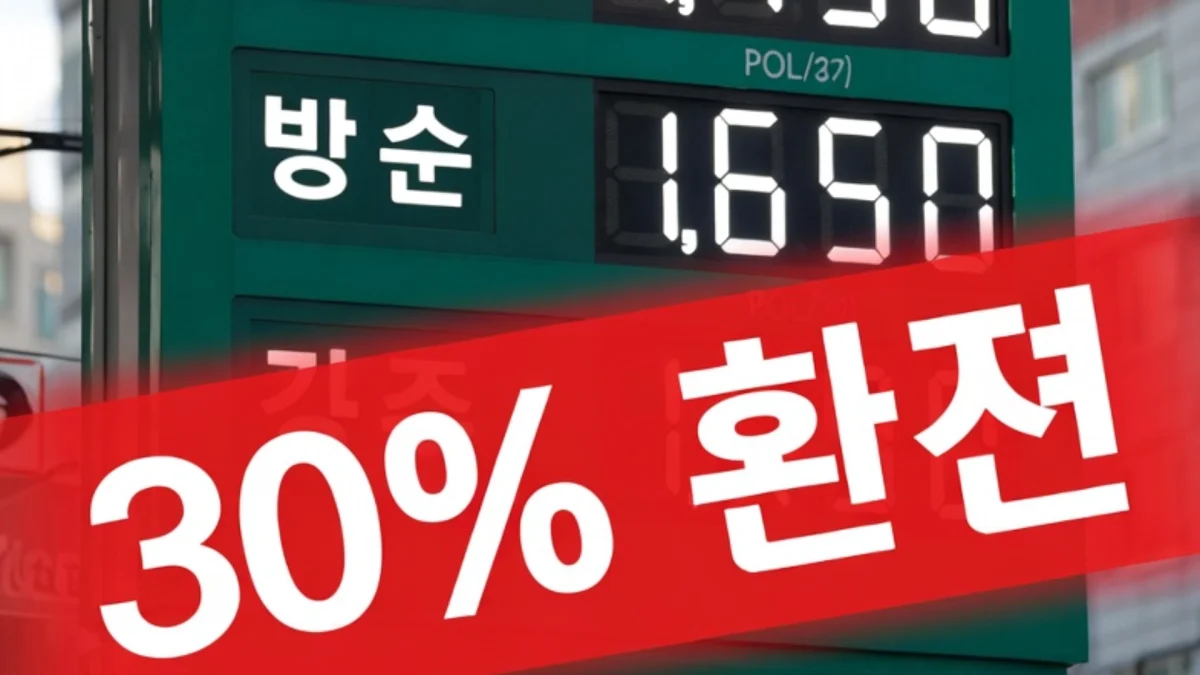
South Korea is taking aggressive fiscal measures to shield its economy from the volatility of the ongoing Middle Eastern conflict. The Ministry of Economy and Finance announced on Friday that the government will utilize a significant portion of its excess tax revenue to fund a supplementary budget. This strategic “extra budget” is specifically designed to mitigate the impact of surging global energy costs, with a primary focus on adjusting South Korea Excise Taxes on fuel to provide immediate relief to consumers and the industrial sector.
The move comes as the “Iran war” continues to disrupt global supply chains, pushing oil prices to levels that threaten the nation’s trade balance. By reallocating surplus revenue, Seoul aims to provide billions in fiscal support through subsidies and temporary tax cuts. For energy-intensive industries and multinational corporations (MNCs) operating in the region, this intervention is a critical lifeline, intended to stabilize operating costs and prevent a recursive inflationary spiral.
While the immediate goal is short-term economic stabilization, the government is also signaling a long-term shift. A portion of the new budget will be earmarked for projects that accelerate the country’s transition away from fossil fuel dependence. For now, however, the priority remains clear: using the flexibility of South Korea Excise Taxes to absorb the “oil shock” and maintain the momentum of the nation’s post-conflict recovery.
