


🎧 Listen to This Article
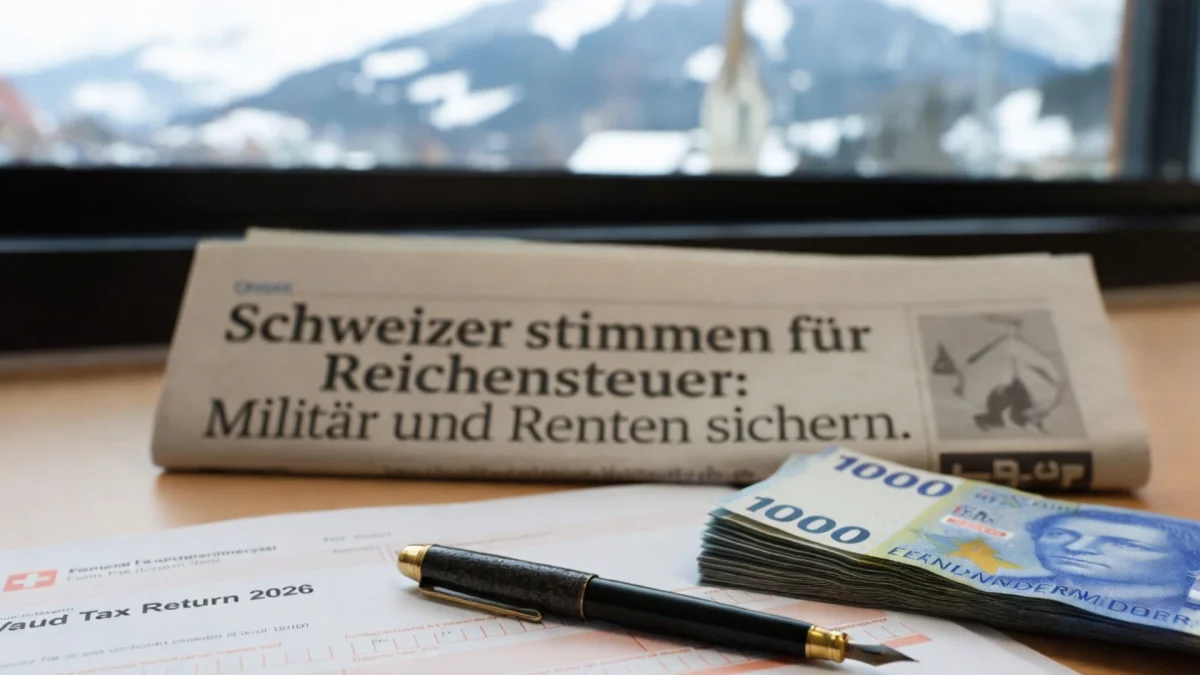
Switzerland, the world’s most iconic sanctuary for private capital, is at a historic crossroads. According to a recent Bloomberg poll, a surprising majority of voters now support the concept of Taxing the Rich in Switzerland at higher rates to address urgent national challenges. Driven by the pressures of ongoing global conflicts and a graying population, the proposed tax increase on the nation’s wealthiest residents is intended to modernize the Swiss military and stabilize the state pension system. This shift marks a dramatic departure from the country’s traditional “low-tax” identity.
The revenue potential is staggering, with estimates suggesting that more aggressive policies for Taxing the Rich in Switzerland could generate billions of francs annually. However, for high-net-worth individuals ($HNWIs$) and multinational corporations ($MNCs$), the news is a signal to begin strategic cross-border fiscal planning. Switzerland has long been the global gold standard for wealth management, but a federal-level tax hike could trigger a capital migration to competing jurisdictions like Singapore or Dubai. Moreover, the move is being closely watched by the European Union, as it could serve as a catalyst for regional tax harmonization.
While the poll reflects a public mandate for social and national security, the implementation of such a tax remains a complex political hurdle. Critics argue that Taxing the Rich in Switzerland could undermine the nation’s competitive edge and discourage foreign direct investment. As immediate discussions begin in Bern, the global financial community is bracing for a new era where even the most stable tax havens must recalibrate their fiscal policies to meet the high costs of 21st-century defense and social welfare.
