


🎧 Listen to This Article
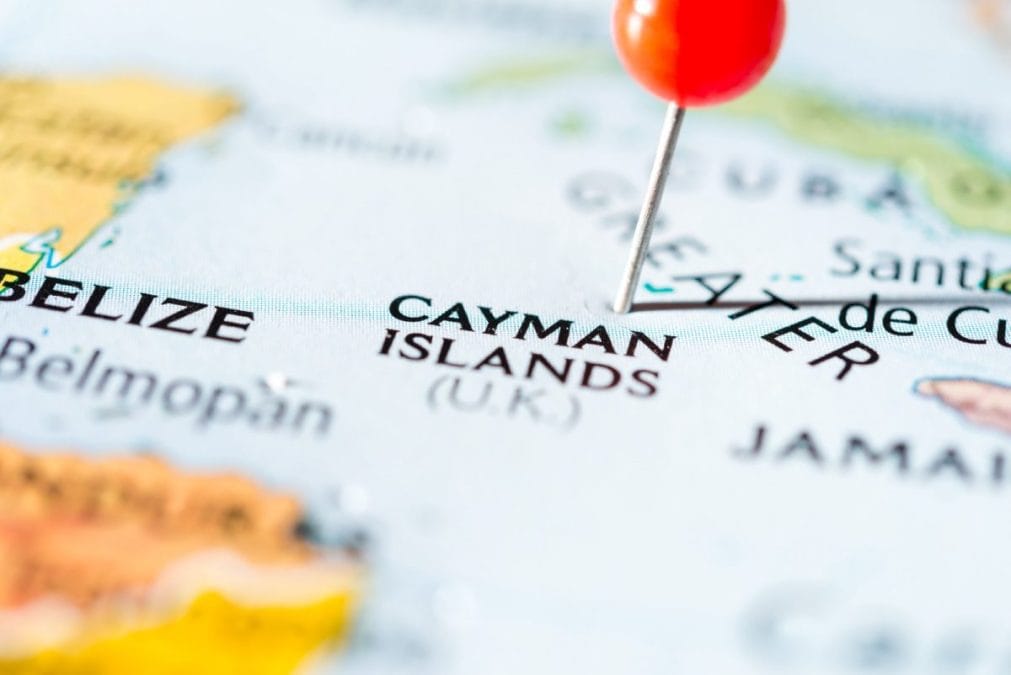
The Cayman Islands government announced today that it will fully implement the OECD’s Crypto-Asset Reporting Framework (CARF) commencing January 1, 2026. The move signals the definitive end of anonymity for offshore digital asset holdings in one of the world’s most popular financial hubs.
The Ministry of Financial Services & Commerce confirmed that domestic legislation is being fast-tracked to meet the implementation deadline. Under the new rules, Cayman-based Virtual Asset Service Providers (VASPs)—including exchanges, custodians, and brokers—must collect granular identity and transaction data from all users.
This data will be automatically exchanged with tax authorities in users’ home jurisdictions, mirroring the existing Common Reporting Standard (CRS) used for traditional banking.
“The adoption of CARF is necessary to maintain our status as a cooperative jurisdiction,” a Ministry spokesperson stated.
The announcement coincides with aggressive enforcement moves elsewhere. South Africa’s Revenue Service (SARS) today warned that its grace period for crypto disclosures is ending, and the Indian Enforcement Directorate attached ₹4,190 crore in assets linked to a crypto fraud ring, utilizing data shared through preliminary international channels.
For any questions, clarifications, feedback, or contributions regarding this article, please contact us at editorial@tax.news. We welcome your input and are dedicated to delivering accurate, timely, and insightful tax news. All inquiries will be handled confidentially in accordance with our privacy policy.
