


🎧 Listen to This Article
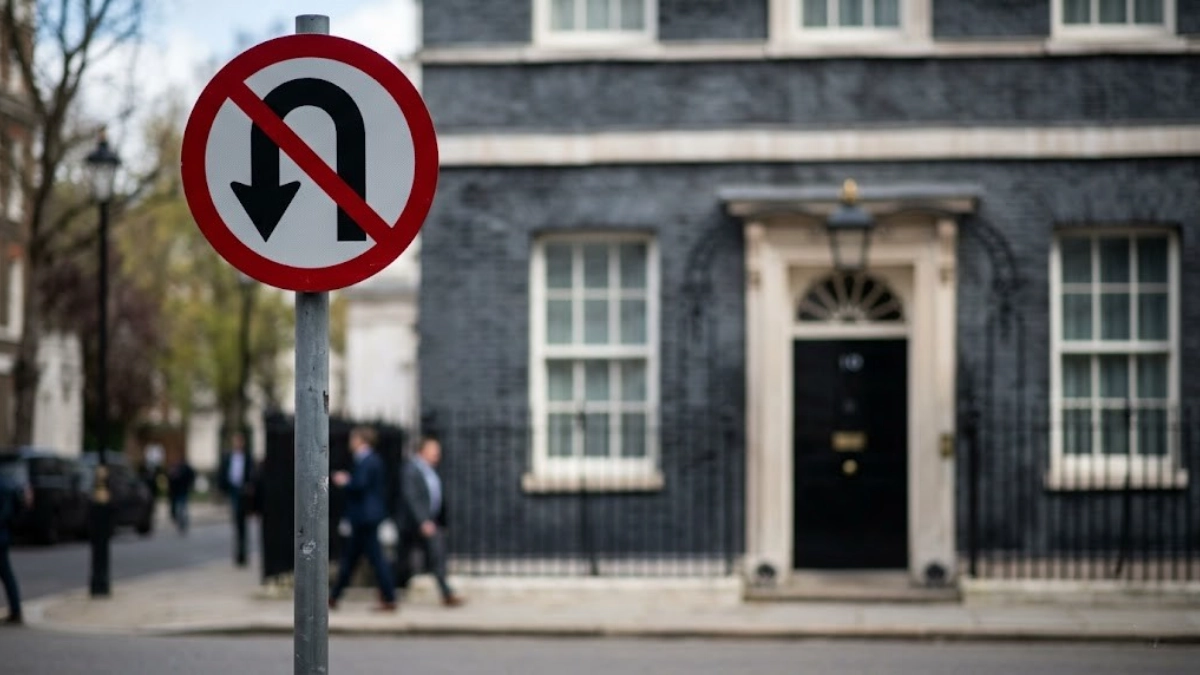
The UK HICBC Reform 2026 has been officially abandoned. In a sharp about-face, the UK Treasury confirmed today that the highly anticipated move to a household-based assessment for the High Income Child Benefit Charge (HICBC) is no longer going ahead. Despite previous commitments to “fix” the system’s inherent unfairness by April 2026, the government will stick with the individual-earner model, effectively leaving the controversial “single-earner penalty” firmly in place for millions of families.
The U-Turn: Complexity Over Fairness
The decision to scrap the UK HICBC Reform 2026 comes after HMRC reportedly flagged insurmountable administrative hurdles. Transitioning to a system that tracks combined household income would have required a massive data-sharing overhaul between government departments—a technical “mountain” the Treasury decided it was not ready to climb in the current fiscal climate.
- Status Quo Maintained: The charge will continue to be triggered by the highest individual earner in a household.
- The Thresholds: The taper remains at the levels established in 2024: starting at £60,000 and fully withdrawing the benefit at £80,000.
- The Fairness Gap: Under the current rules (which were supposed to change), a household with two parents earning £59,000 each (total £118k) keeps their benefit, while a single parent earning £65,000 loses a portion of theirs.
Comparison: What Was Promised vs. The 2026 Reality
| Feature | Abandoned Proposal (April 2026) | The 2026 Reality (Current Policy) |
| Assessment Unit | Household Combined Income | Highest Individual Earner |
| Implementation | New HMRC Data Linkage System | Self-Assessment (Standard) |
| Fairness Focus | Eliminating Single-Earner Penalty | Administrative Simplicity |
| Benefit Cut-off | Estimated £120k+ Household | £80,000 (Individual) |
The Persistence of the Penalty
The UK HICBC Reform 2026 was supposed to be the “Great Equalizer” for middle-income families. By scrapping it, the Chancellor has prioritized HMRC’s operational capacity over horizontal equity. In the 2026 tax landscape, the government’s message is clear: the complexity of “who lives with whom” is a burden the state isn’t ready to shoulder. If you earn £81,000 while your partner stays home, your net tax position is now officially worse than your neighbor’s dual-income household earning significantly more in total.
