


🎧 Listen to This Article
India’s GST 2.0 Reforms 2026 were intended to be the “Great Simplification,” but for manufacturers in textiles, electric vehicles (EVs), and food processing, today’s industry reports suggest a “Great Complication” instead. As of May 4, 2026, the rate rationalization meant to boost consumption has inadvertently created a “working capital trap” by deepening inverted duty structures across these strategic sectors.
While the GST Council’s move to slash output rates on finished goods was a win for consumers, it has left manufacturers holding a massive pile of “Taxman’s IOUs” in the form of accumulated Input Tax Credits (ITC).
The Inverted Reality: 5% vs. 18%
The core of the issue lies in the widening gap between what a company pays for its raw materials and what it collects from its customers. In the GST 2.0 framework, the “staircase” of tax rates has become a cliff for certain sectors.
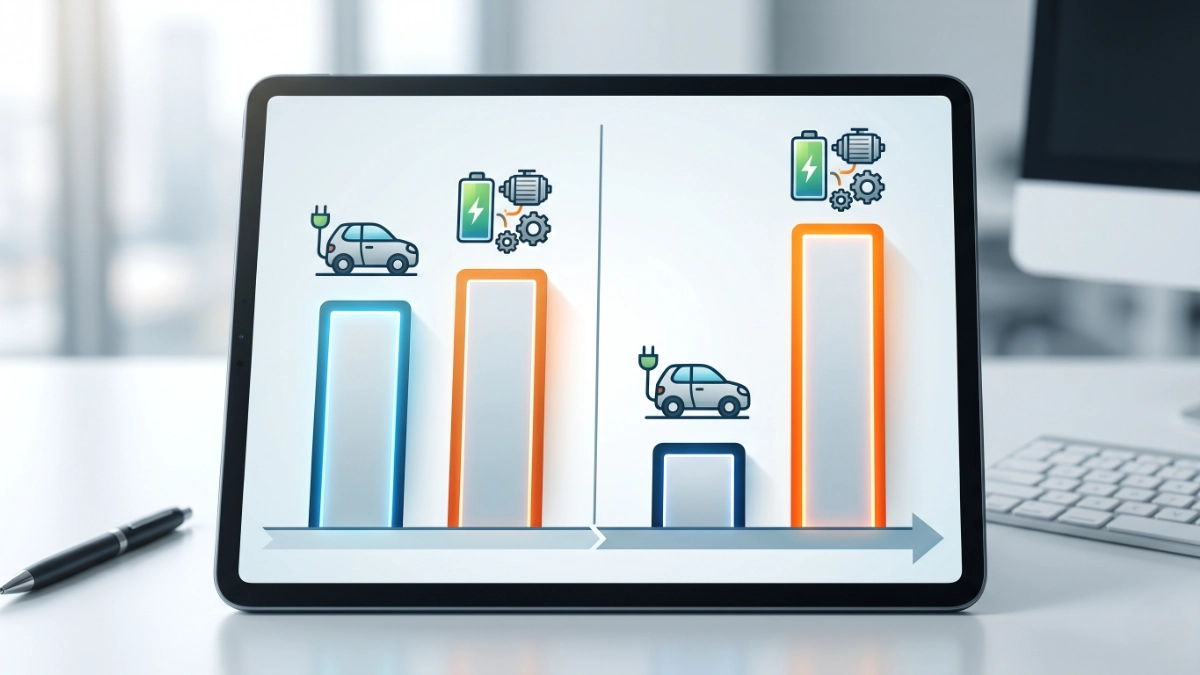
- Electric Vehicles (EVs): Finished EVs are taxed at 5% to drive green adoption. However, key components—lithium-ion cells, specialized sensors, and engineering services—remain pegged at the standard 18% rate.
- Textiles: To keep clothing affordable, the output rate sits at 5%, yet the synthetic fibers and chemicals required for production are often taxed at 12% or 18%.
- Food Processing: While processed shelf-stable goods are kept at a low 5% rate, the packaging materials and cold-chain logistics services are taxed at significantly higher rates.
The Working Capital Trap
When the tax on inputs is higher than the tax on outputs, manufacturers end up with “excess” tax credits that they cannot use to offset their liabilities.
- Liquidity Crunch: Manufacturers essentially provide an interest-free loan to the government while waiting for ITC refunds.
- Refund Friction: Despite the “Digital India” push, the administrative process for claiming refunds on inverted duty structures remains notoriously slow, with many firms reporting 90-day wait times.
- Pricing Pressure: To keep their businesses solvent, some manufacturers are being forced to raise prices, effectively neutralizing the 5% consumer tax benefit the government intended to provide.
Peer Perspective: It’s a classic case of good intentions meeting bad math. You can’t lower the price for the buyer while keeping the cost high for the builder and expect the factory floor to stay happy. The GST Council is effectively asking manufacturers to subsidize the nation’s “Low-Tax” headlines.
