


🎧 Listen to This Article
IMO Carbon Tax Halted 2026: U.S. Coalition Delivers Blow to Global Shipping Levy
The taxman has been told to walk the plank—at least for now. Today, May 2, 2026, following the conclusion of the 84th session of the Marine Environment Protection Committee (MEPC 84) in London, a high-stakes diplomatic coalition led by the United States successfully blocked the immediate adoption of a global carbon tax on the shipping industry.
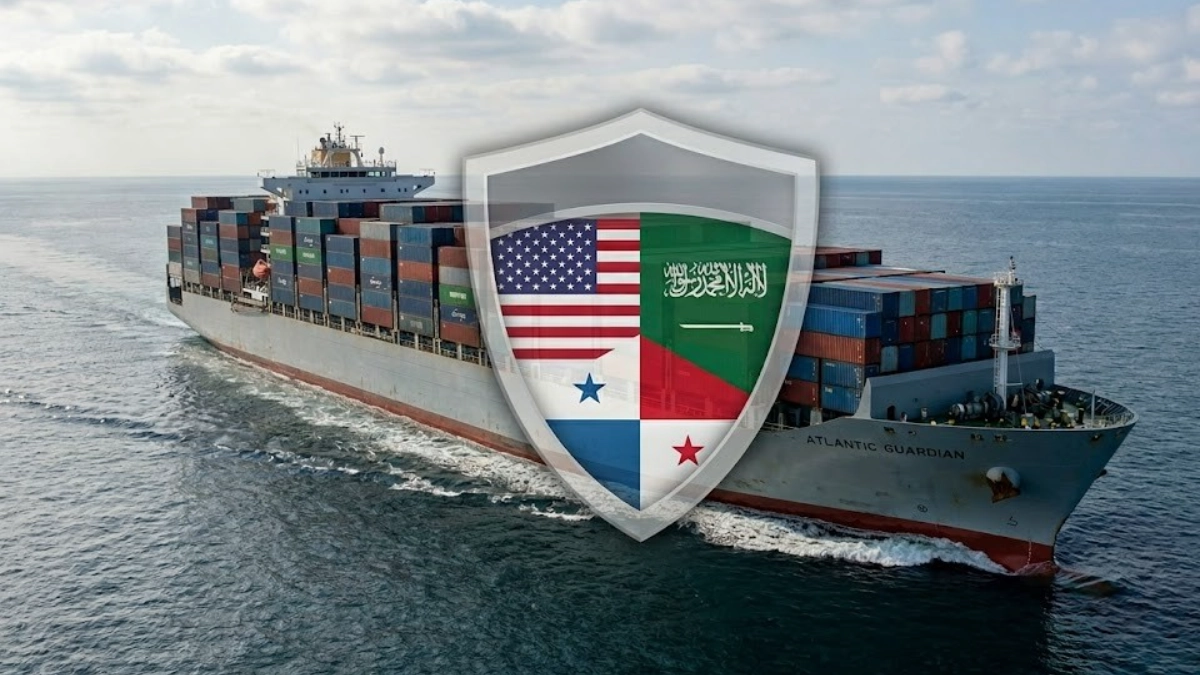
Working alongside Saudi Arabia, Panama, Argentina, and Liberia, U.S. diplomats forced a pivotal retreat from the controversial Net-Zero Framework (NZF). Instead of a mandatory global levy, the International Maritime Organization (IMO) will now be required to analyze a suite of “alternative proposals” that represent more than 30% of global tonnage, signaling a major victory for those looking to shield consumers from skyrocketing shipping costs.
The “Great Wall of Tonnage”
The pushback wasn’t just rhetorical; it was mathematical. By aligning with the world’s largest ship registries (Panama and Liberia) and major energy exporters (Saudi Arabia), the U.S. created a “blocking minority” that the IMO could not ignore. The coalition argued that the NZF was a “fundamentally flawed” instrument that would act as a hidden tax on everything from grain to gasoline.
- Consumer Shield: The U.S. Federal Maritime Commission (FMC) emphasized that a global carbon price would have added billions to supply chain costs, directly impacting the price of household goods.
- The 30% Pivot: The committee has now authorized a working group to examine multiple “market-readiness” alternatives that prioritize technological incentives over penalty-based taxes.
- Impasse Broken: While pro-levy nations (like the EU bloc) had hoped for a final deal this week, the coalition successfully “charted a way out,” ensuring that no carbon tax can move forward without addressing the economic concerns of the Americas and major flag states.
Comparison: Carbon Tax vs. Alternative Proposals
| Feature | Proposed Global Carbon Tax (NZF) | Coalition Alternative Proposals |
| Primary Mechanism | $380+ per tonne penalty on emissions. | Incentives for “Near-Zero” tech adoption. |
| Revenue Use | Global fund for developing nations. | Reinvestment into fleet modernization. |
| Consumer Impact | High (Expected to raise freight rates). | Low to Neutral (Protects trade flows). |
| Focus | Reducing carbon via financial penalty. | Reducing carbon via tech-neutrality. |
Strategic Insight: This is “America First” foreign policy in action on the high seas. By successfully decoupling decarbonization from a mandatory global tax, the U.S. and its partners have essentially hit the “pause” button on a multi-billion dollar fiscal experiment that many feared would trigger a global inflationary spiral.
