


🎧 Listen to This Article
IRS OBBBA Refund Totals 2026 are officially in, and “massive” might be an understatement. Today, April 16, 2026, the IRS dropped its first preliminary report following the April 15 deadline, and the numbers confirm that the “One Big Beautiful Bill” (OBBBA) has lived up to its name—at least for the taxpayers receiving the checks.
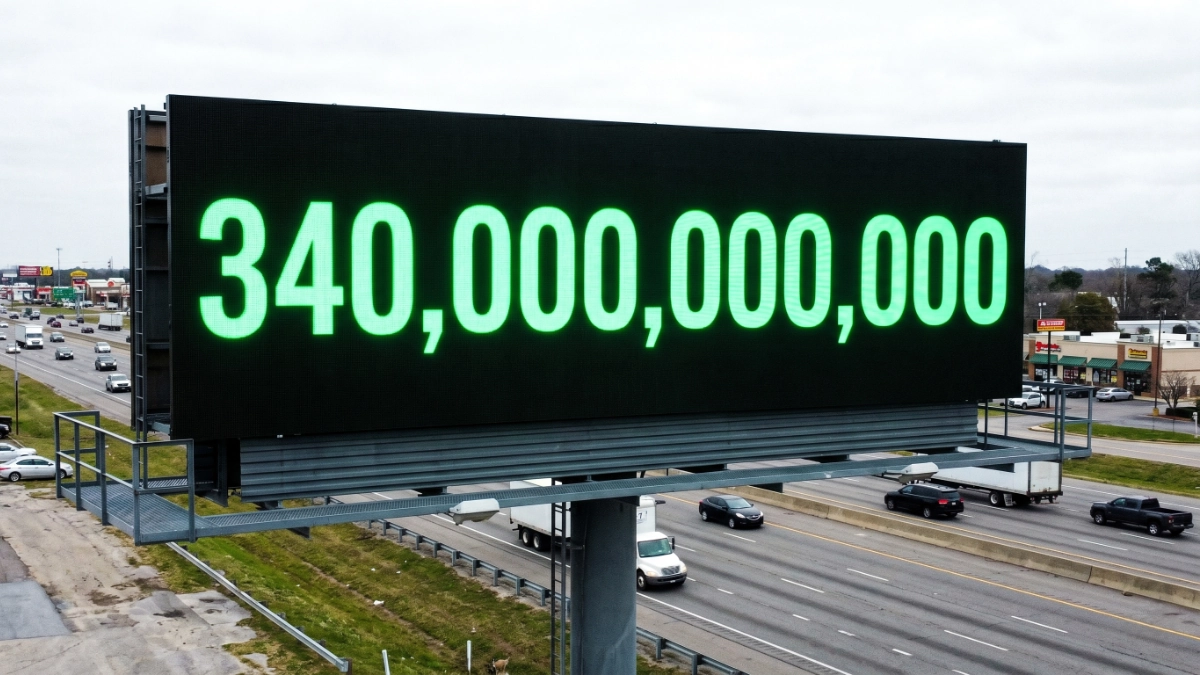
With a record-shattering $340 billion in total refunds issued, the U.S. Treasury is seeing a much larger “payback” than originally modeled. The star of the show? The 100% tax exemption on overtime pay, which saw an adoption rate that completely blindsided Washington.
Overtime Exemption: The 18-Million-Worker Surge
The most jarring statistic in the IRS OBBBA Refund Totals 2026 report is the sheer volume of workers claiming the overtime tax shield. While the Treasury predicted 12 million participants, the actual count reached 18 million.
| Metric | Treasury Estimate | Actual IRS Data |
| Overtime Exemption Claims | 12 Million Workers | 18 Million Workers |
| Total Refund Value | $285 Billion | $340 Billion |
| Average Refund Increase | 14% | 21.5% |
Fiscal Headwinds: A Congressional Review Looms
The unexpected success of the overtime provision is already stirring the pot on Capitol Hill. While the OBBBA was designed to incentivize labor participation during 2025’s economic dip, the $55 billion “overshoot” in refunds is triggering immediate calls for a fiscal impact review.
IRS Commissioner Note: “While we are proud of the efficiency in processing these record IRS OBBBA Refund Totals 2026, the high volume of overtime claims suggests a fundamental shift in how Americans are structuring their income. We are working closely with Congress to determine if these levels are sustainable for the 2027 fiscal year.”
The data suggests that the manufacturing and healthcare sectors—where overtime is a way of life—saw the most significant tax-free gains. However, critics argue that the “OBBBA Boom” might lead to a significant deficit gap if the labor market continues to lean so heavily on tax-exempt hours.
