


🎧 Listen to This Article
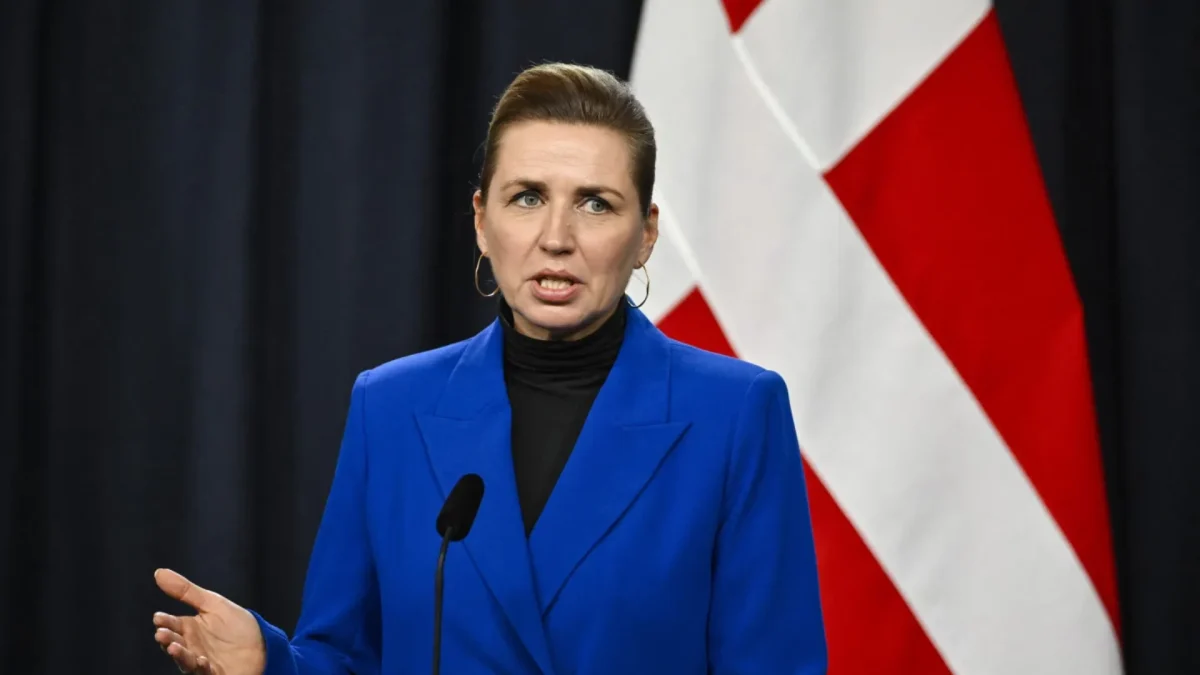
Prime Minister Mette Frederiksen is centering her snap election campaign on a bold return to a fiscal policy abandoned nearly three decades ago. In a strategic move to shore up support for her Social Democrats, Frederiksen has proposed a 1 percent annual wealth tax targeting Denmark’s most affluent residents. The proposal aims to generate approximately 6 billion kroner ($1 billion) annually, with the revenue earmarked for the reinforcement of national education and welfare programs.
The tax would specifically apply to the wealthiest 1 percent of the population. This group, consisting of fewer than 60,000 individuals, currently controls roughly a quarter of the nation’s total net wealth. If passed, the measure would mark a historic reversal for Denmark, which last abolished its wealth tax in 1997. The Prime Minister frames the move as a matter of social equity, arguing that those with the broadest shoulders must carry a heavier share of the post-pandemic recovery burden.
The proposal has sparked immediate backlash from opposition leaders and financial analysts who point to recent trends in neighboring Norway. Critics warn that the “wealth tax” could trigger an exodus of high-net-worth individuals, potentially eroding the very tax base the government seeks to expand. There are fears that the threat of capital flight could destabilize the investment climate just weeks before voters head to the polls on March 24.
As the snap election approaches, the wealth tax has become the definitive fault line in Danish politics. For Frederiksen, it is a high-stakes gamble that hinges on whether the broader electorate prioritizes bolstered public services over the risk of private sector brain drain.
